Brandon
Brandon is a documentary story about (sexual) identity, initiated by the internationally acclaimed media artist Shu Lea Cheang, and made accessible through the Internet in 1998-1999. The project researched issues of sexual politics through a series of hyperlinked experimental narratives and discourses. The events were staged at the Theatrum Anatomicum in The Waag, Amsterdam.
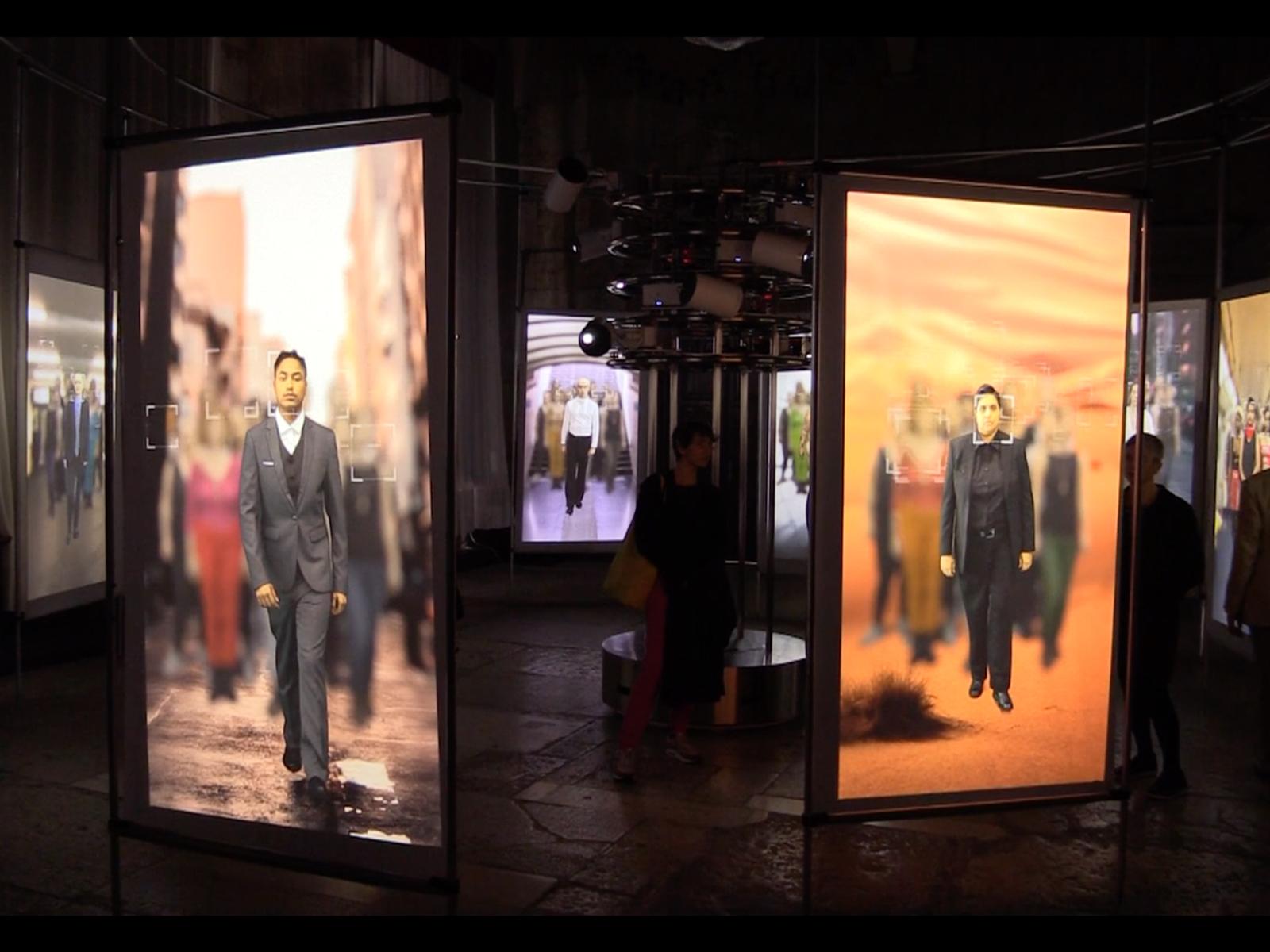
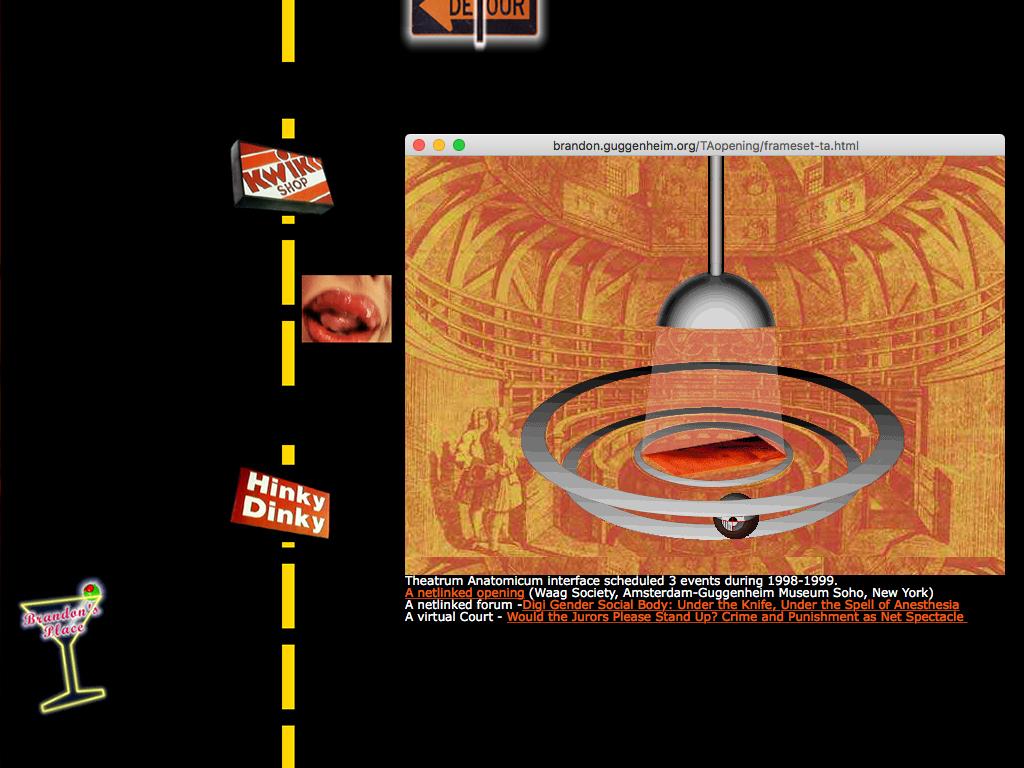
In co-production with the Guggenheim Museum New York, three events were staged as part of the project: the launch on 30 June 1998, than 'Digi gender social body: Under the knife, Under the spell of anaesthesia', a performance and installation, and 'Would the jurors please stand up? Crime and punishment as Net Spectacle', a netcast roundtable. Both events were broadcasted on the video wall of the Guggenheim Museum and presented on the World Wide Web. Brandon was shown on an unusual scale for web projects in these days: three interactive displays of 25 screens each.
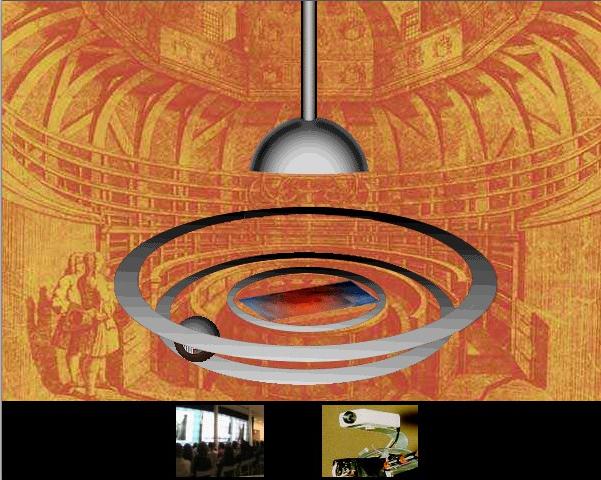
The Waag's Theatrum Anatomicum was of major importance to the Brandon project. This is where in the 17th century, the guild of surgeons publicly taught human anatomy by dissecting the corpses of criminals. This practice was the inspiration behind Rembrandt's painting 'The Anatomical Lesson of Dr. Tulp'. Brandon can be seen as a contemporary version of these dissections.
The project began with two articles that Cheang read in the Village Voice. One told the story of Brandon Teena (December 12, 1972–December 31, 1993), a Nebraska trans teenager who was brutalized and murdered. The other described a rape spree that took place in a text-only chat room, and nevertheless left its victims feeling violated and bereft. Drawing a connection between these very different episodes of violence, Cheang began a years-long research process to consider the expression and repression of gender in an online context.
This ultimately came together in an epic web narrative that involved numerous institutions and collaborators, taking the form of installations, discussion forums, networked performances, and web narratives. Through Brandon, Cheang convened an important dialogue about the affordances and limits of the bodies that users construct online, and highlighted the persistence of gender-based oppression in the seemingly liberatory context of the net.
In 2017, a new restoration of this landmark work, undertaken by the Guggenheim Museum, has been unveiled to coincide with its inclusion in Net Art Anthology of Rhizome.
Project duration
Links
Partners
- Guggenheim Museum