Education is essential for the development of democratic skills and for conveying democratic values. That is why, especially now – at a time when both young and old are losing faith in politics – extra space should be made for democratic skills in education.
Waag and its partners publish policy recommendations on education for a sustainable European democracy. The recommendations are based on insights from Critical ChangeLab, a study into the development of democratic skills, attitudes, beliefs and competences among young people.
Read the full policy paper (pdf)
A new perspective on citizenship education
The paper describes four new approaches to citizenship education. These new approaches contribute to strengthening democratic skills among young people.
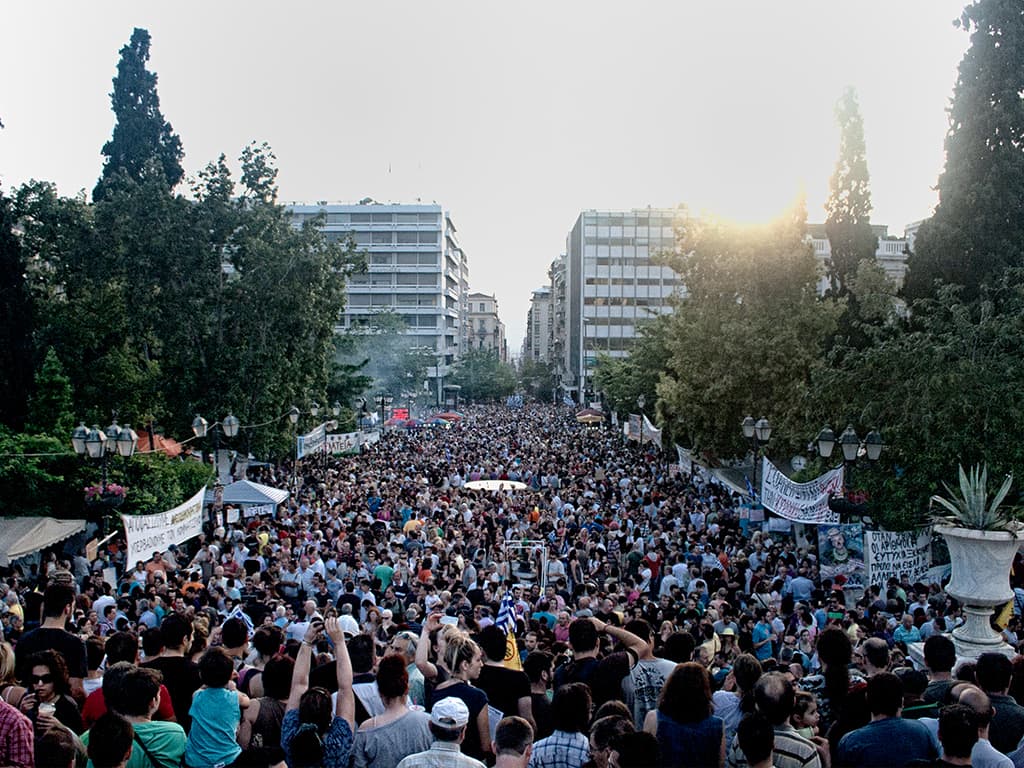
Everyday democracy emphasises that democracy goes beyond institutions and voting, but also takes place in everyday relationships at school, work, family, on the street, online, etc. It focuses on how students work together, how teachers exercise their authority, and how educational spaces shape respect, inclusion, and justice.
Critical consciousness helps to cultivate the ability to recognise power relations and resist domination and injustice. In this way, critical consciousness goes beyond literacy, which is often the focus today.
Participative Democratic Health extends the assessment and improvement of democracy within governments to other institutions, such as schools. Critical Changelab developed a questionnaire that allows pupils and teachers to jointly evaluate how democratic their institution is and how it can be improved.
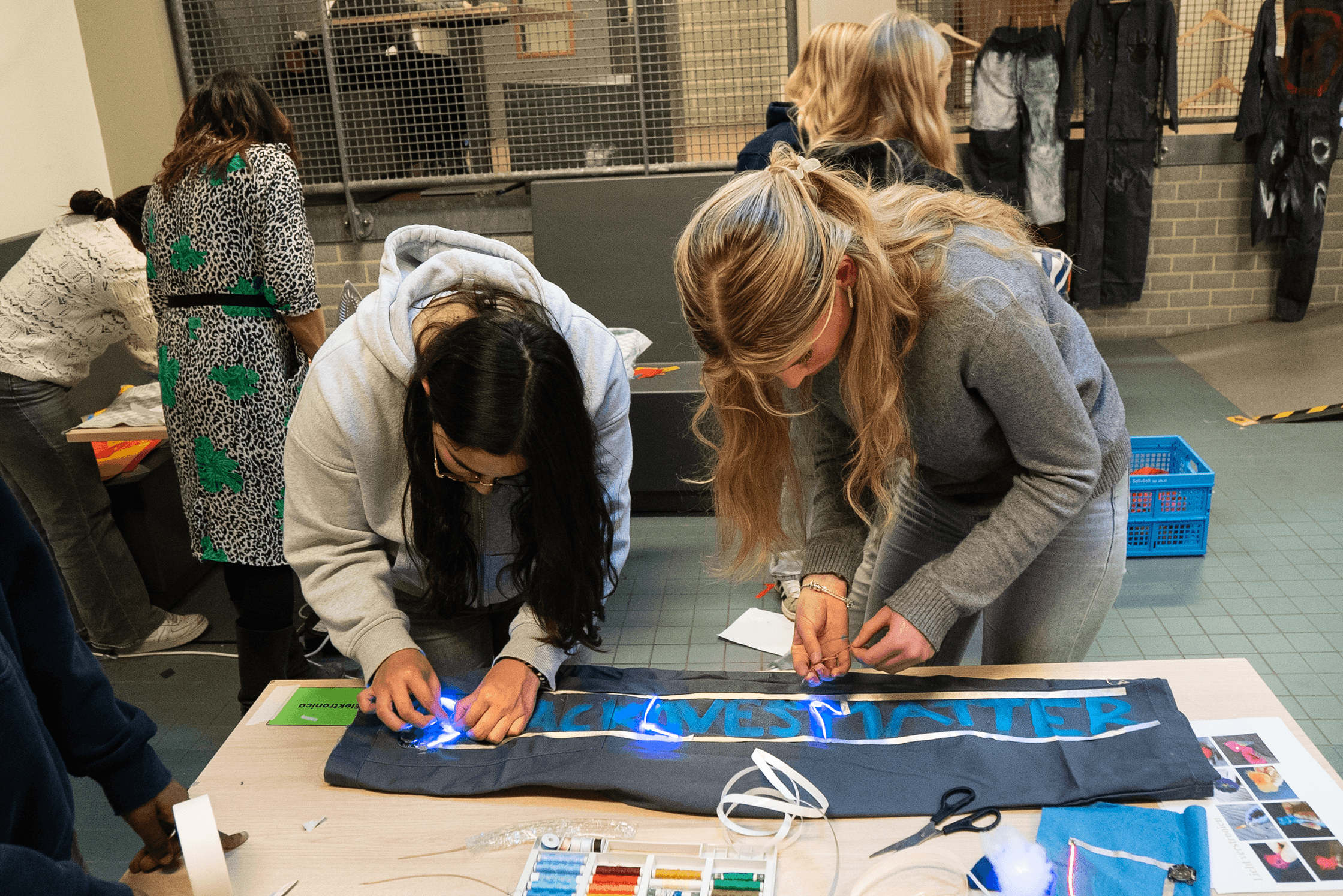
Creative and critical interaction with technology is an essential part of citizenship education. Education must provide a creative technological environment in which learners have the space to create, code, design and experiment, so that they can shape the technological and digital systems of which they are a part. Creativity and imagination are needed to envision futures in which technology serves democratic, inclusive and sustainable goals.
These four approaches have been translated into 10 policy recommendations.
Ten recommendations for sustainable democracy
European Union
- Relate everyday democratic experiences to democracy at large
- Involve young people in creating EU technological sovereignty
- Involve young people in assessing democratic health
- Promote critical consciousness and agency, in addition to literacy
- Embed civic education into participatory formats
- Go beyond STEM to STEAM, including the arts
National Policy Makers
- Bring democracy education into every part of the curriculum
- Train teachers across disciplines to teach democracy
Schools
- Assess democratic health of own-organisations
Educators
- Embrace co-creative approaches to civic education
Read the full policy paper (pdf)
Critical ChangeLab
This policy paper is the result of the project Critical ChangeLab, in which Waag is researching the relationship between young people and democracy and, with that, the future of European democracy in the 21st century. Waag believes that maker education is an excellent way to teach young people to think critically and work together. By discovering, testing and trying, you learn to express your own creativity. Waag investigates how a maker mindset and 21st-century skills can help people increase their sense of ownership and better find their place in society.