In the Netherlands residents experience less control over their life. The report by the Scientific Council for Government Policy (WRR) states that the combination of uncertainty and lack of control can lead to poorer health, is a source of social dissatisfaction and is linked to the adoption of views and beliefs that may be at odds with the democratic constitutional state (Bovens, et al., 2023). How can we increase resilience and personal and collective control? And how can we translate this into collective action for a better living environment?
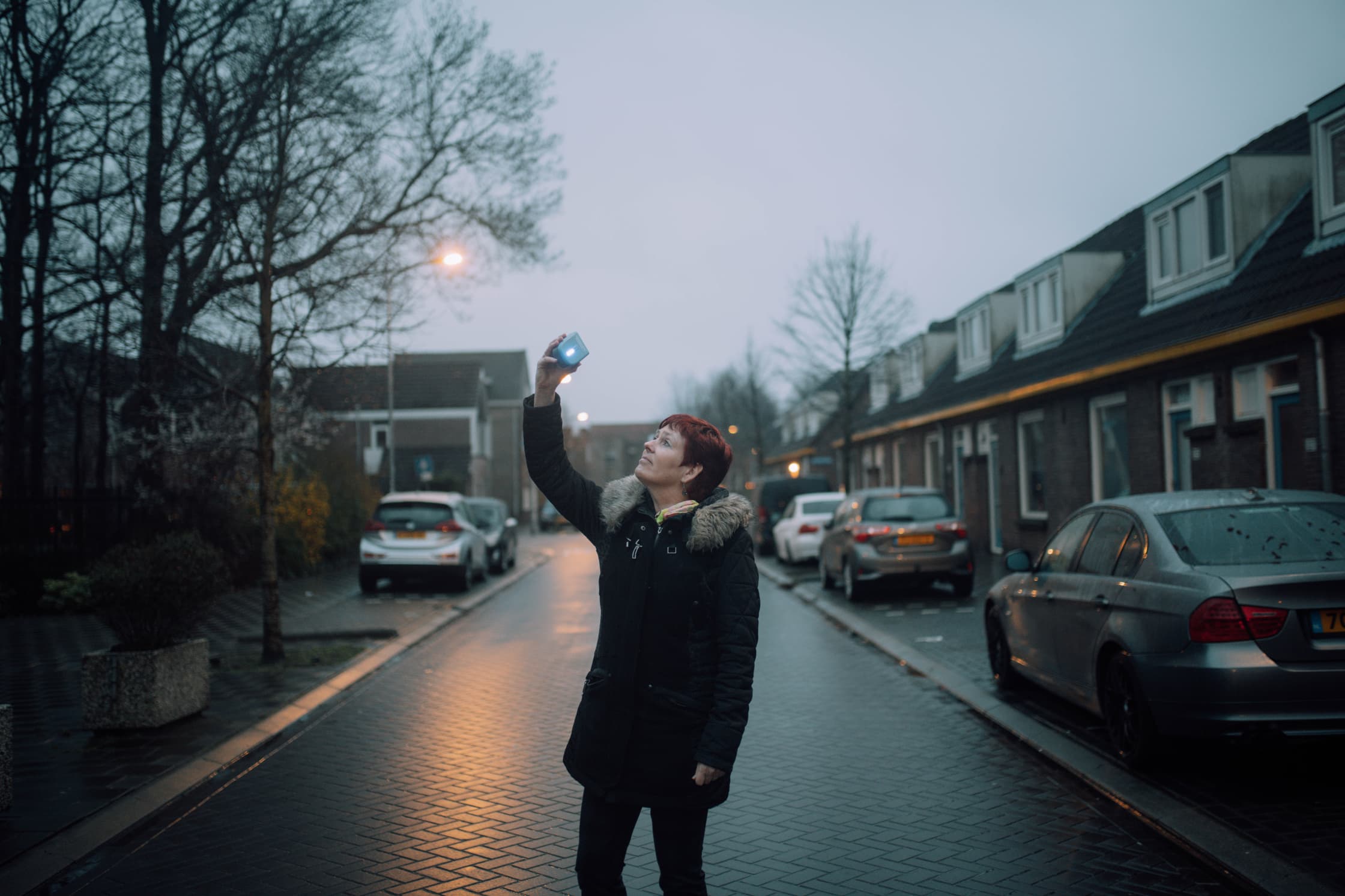
Citizen Sensing can provide an answer to these questions. Citizen Sensing is a research and participation method in which communities use sensor technology to measure, interpret and improve their living environment. The local community is central. Residents act as principal investigators and are supported by experts from science, government and creative sectors. Open technology and open data are used to ensure that results are transparent, accessible and reusable. This data is shared publicly and forms the basis for collective learning, dialogue, action and policy influence. This paper shares Waag's vision on Citizen Sensing.