The most valuable resource is not gold, silicon or cobalt, but water. Water is a resource that everyone needs. Water not only affects the daily lives of humans and other living creatures, but also forms an essential link in economic and technological systems. Everyone and everything wants water, preferably all day long and as clean as possible.
Where technology or industry and the living environment intersect, new tensions and scarcity arise: the water needed for cooling or production is not available for households, where the water level would naturally be high, farmers want to keep it low, and how much waste and products end up in the water? The growing questions surrounding water are putting increasing pressure on water, biodiversity and quality of life.
Civil engineering expertise and technological innovation for water management are what the Netherlands is known for. In this changing world, water management requires not only technological solutions, but also multidisciplinary collaborations and communities of care where people share their knowledge and expertise to solve problems together. At the same time, the climate crisis calls for a shift in thinking: technology must serve not only people, but the entire ecosystem.
The regenerative movement
Regenerative design draws on indigenous and natural knowledge to restore systems. Building and strengthening resilience is essential in this regard. In the context of water, this means that technology and policy are designed in such a way that they respect and support the natural dynamics of rivers, ditches, groundwater and ecosystems, rather than disrupting them. By working with nature, rather than against it. It is about developing a systemic perspective in which people, ecology and technology are in a reciprocal relationship.
'Sustainability is nothing more than ‘neutral’: not wanting to harm natural systems, but at the same time not actively wanting to improve them. Whereas many processes and systems actually need to be actively restored. To do this, we need regenerative thinking and action as a foundation.'
– Nehis Osagie, Waag Futurelab
Waag advocates a broader approach in which technology and society are used to strengthen water resilience and ecological health. By focusing on principles such as regeneration and shared care instead of extraction.
How do we get there?
We should not exploit water for economic gain, but rather be an active part of restoring the ecosystem. This means that rhythms, patterns and insights from local ecosystems and traditional community knowledge are part of how we make decisions, so that technology and policy strengthen water management rather than disrupt it.
‘Technological innovation can never contribute to complex issues if viewed solely from an economic perspective. There is never a single solution, but in order for society to make decisions, it is necessary to gather and combine perspectives and insights from different fields of knowledge, such as art, indigenous knowledge and data science.’
- Judith Veenkamp, Waag Futurelab
Dialogue and interaction between different perspectives, communities and ways of life are necessary to achieve a socially and ecologically resilient water system. These dialogues must be based on fundamental questions about the world view from which an individual or organisation operates. What knowledge do you recognise? What are we working towards? What kind of future is that and what are we optimising for? It is a change in mentality from economically driven thinking to a focus on other futures and ways of life. Learning this way of thinking requires different interactions, representations, conversations, working methods and approaches.
Waag facilitates this through the following methods. These methods focus on ecology and the collective and offer principles for new collaborations and designs:
Arts of Noticing
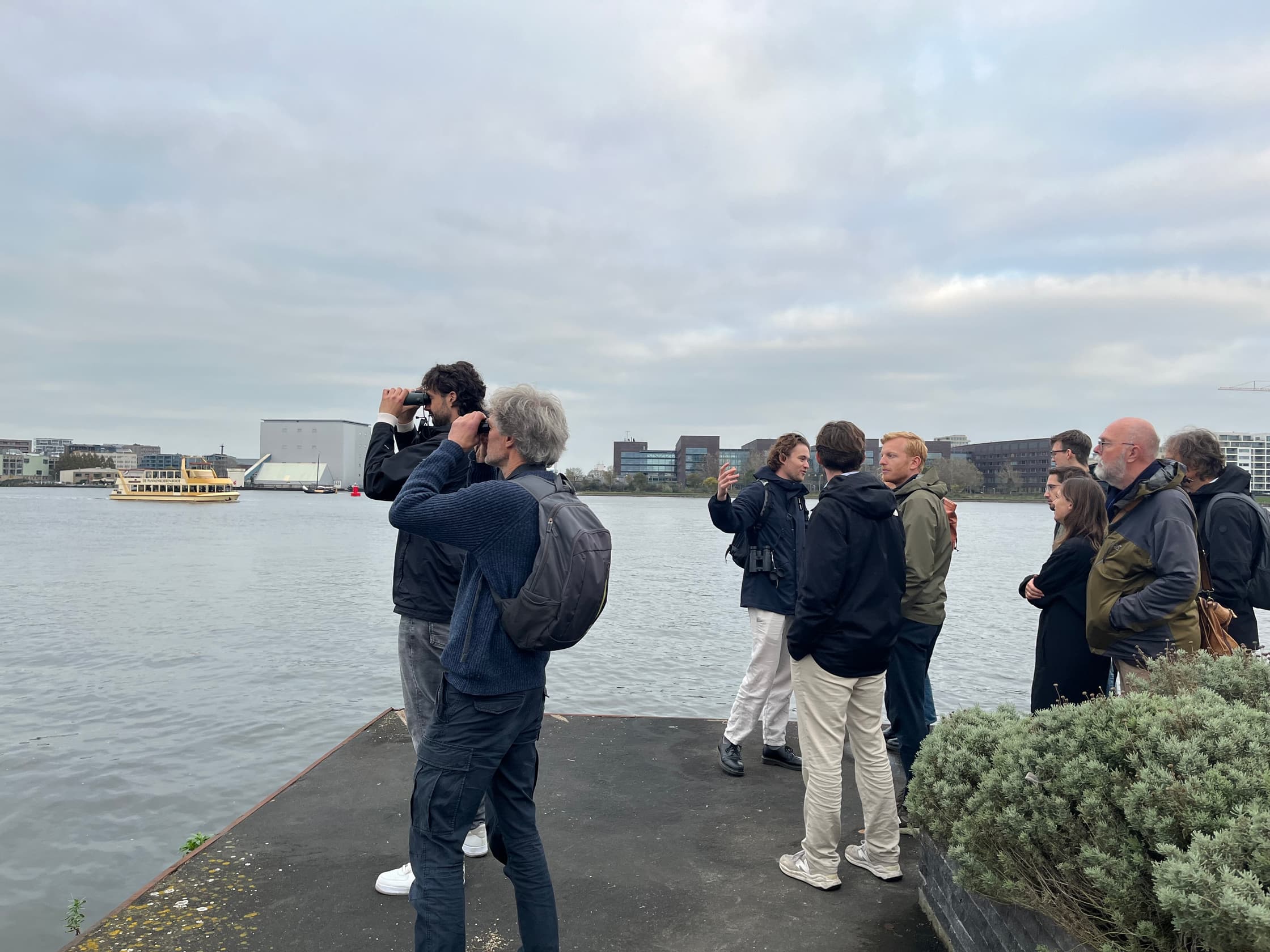
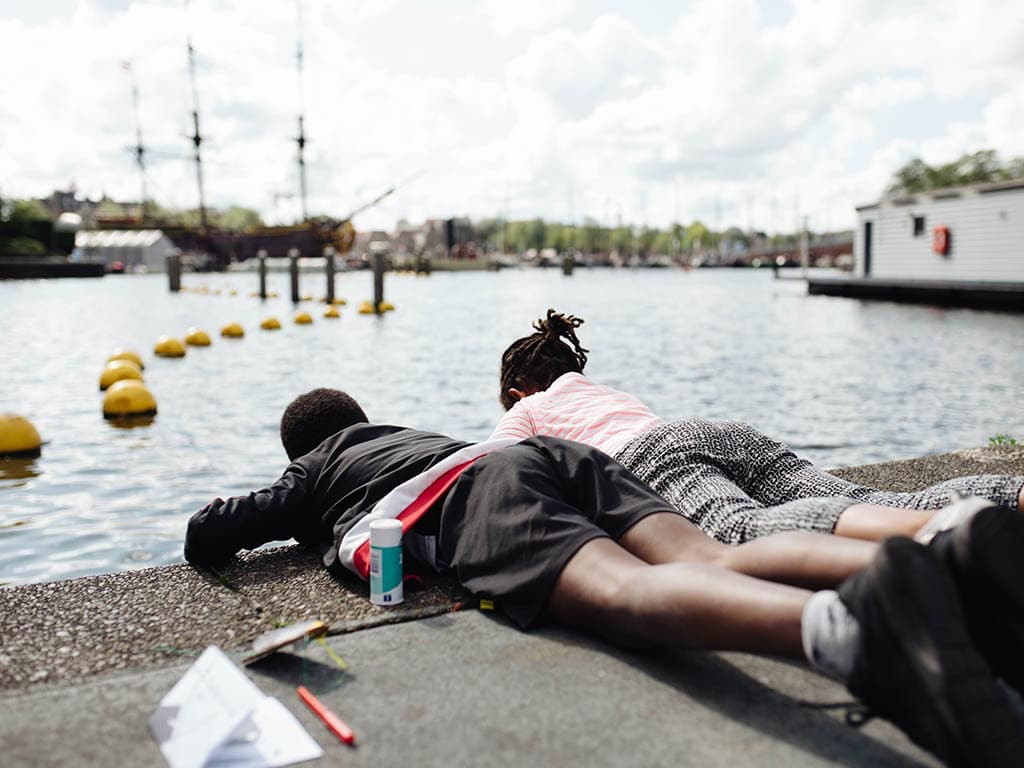
Much water management is based on models, indicators and measurements. These are indispensable, but they also leave much out of the picture: the daily experiences of residents and the relational significance of water in an area. Arts of Noticing is a research approach that addresses these blind spots by focusing on attention, slowness and sensory perception. Arts of Noticing helps participants to consciously observe their environment. This approach formed the basis for Stem van het Water (Voice of Water), a handbook for participatory water research developed with Rijkswaterstaat. The result is not an alternative to technical monitoring, but a valuable addition that opens up new questions and perspectives. Because not all relevant knowledge about water is measurable; some insights only arise when we learn to look, listen and give meaning to what is already there.
Citizen science
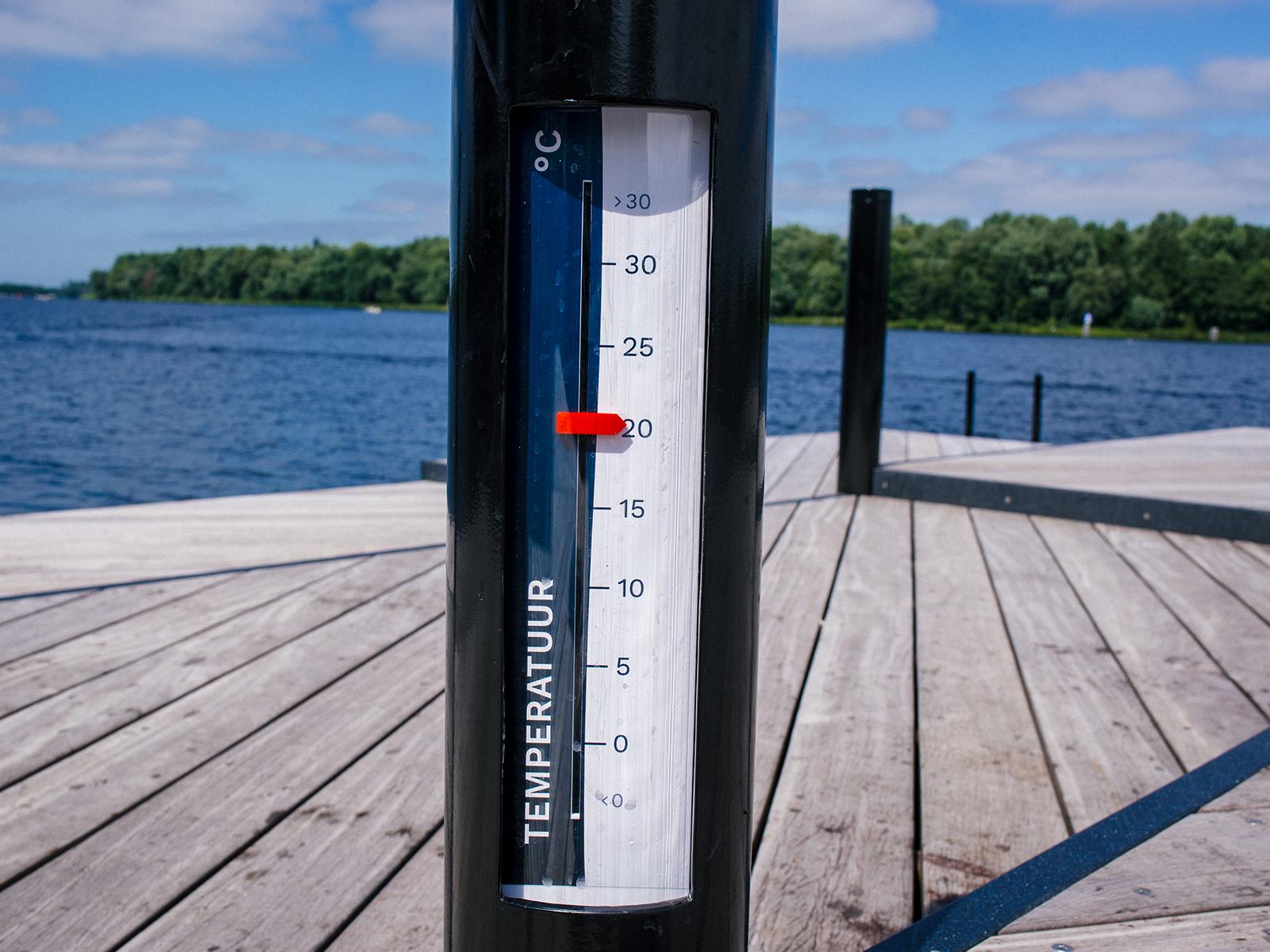
Water management is primarily based on data, but data alone is not sufficient to address complex socio-ecological issues. Citizen science, and Citizen sensing in particular, creates a community around complex issues. Residents are not seen as a source of data, but as co-researchers who measure, interpret and question their living environment. Taking joint responsibility for a shared resource is the starting point for Amsterdecks. In Amsterdecks, sensors continuously measure water quality in the city, with the measurements literally anchored in public spaces. This allows interested parties to see how the water is doing. Citizen science makes it clear that measurement is never neutral. Whoever measures determines which questions and values are taken into account. By actively involving residents in data collection and interpretation, not only are richer datasets created, but also new forms of knowledge, ownership and collaboration. Within the European Enforce project, residents combine and analyse open data to contribute to environmental protection and enforcement in the North Sea.
'There is a growing movement of citizen scientists: residents measuring water quality themselves, tracking groundwater levels or monitoring flood risks. This local knowledge can sharpen policy and make us more resilient.'
– Imme Ruarus, Waag Futurelab
Art-science
Many water-related challenges are technically complex, but at the same time cultural in nature. Art-science connects artistic and scientific research to reveal these underlying values, assumptions and visions of the future. Instead of immediately formulating solutions, this method creates space for imagination, doubt and new questions. In projects such as S+T+ARTS4WaterII, artists, designers and researchers work together on alternative perspectives on water quality, marine ecosystems and technological interventions. Through installations, experiments and speculative design, abstract processes become tangible and open to discussion. Without imagination, there can be no transition: artistic research helps to break through entrenched patterns of thinking and make room for new perspectives for action.
Collaboration and outlook
With its public research methods, Waag is working towards technology and collaborations that strengthen democracy, respect ecology and make water management future-proof. Water challenges are too complex for one party to tackle alone. Collaboration between residents, researchers, policymakers and designers is essential. Waag is keen to collaborate with water professionals to contribute ideas, experiment and launch projects that contribute to resilient and democratic water solutions.
Would you like to know more about Waag's work on water? Or would you like to start a project with Waag? Please contact Imme Ruarus at Imme [at] waag [dot] org.