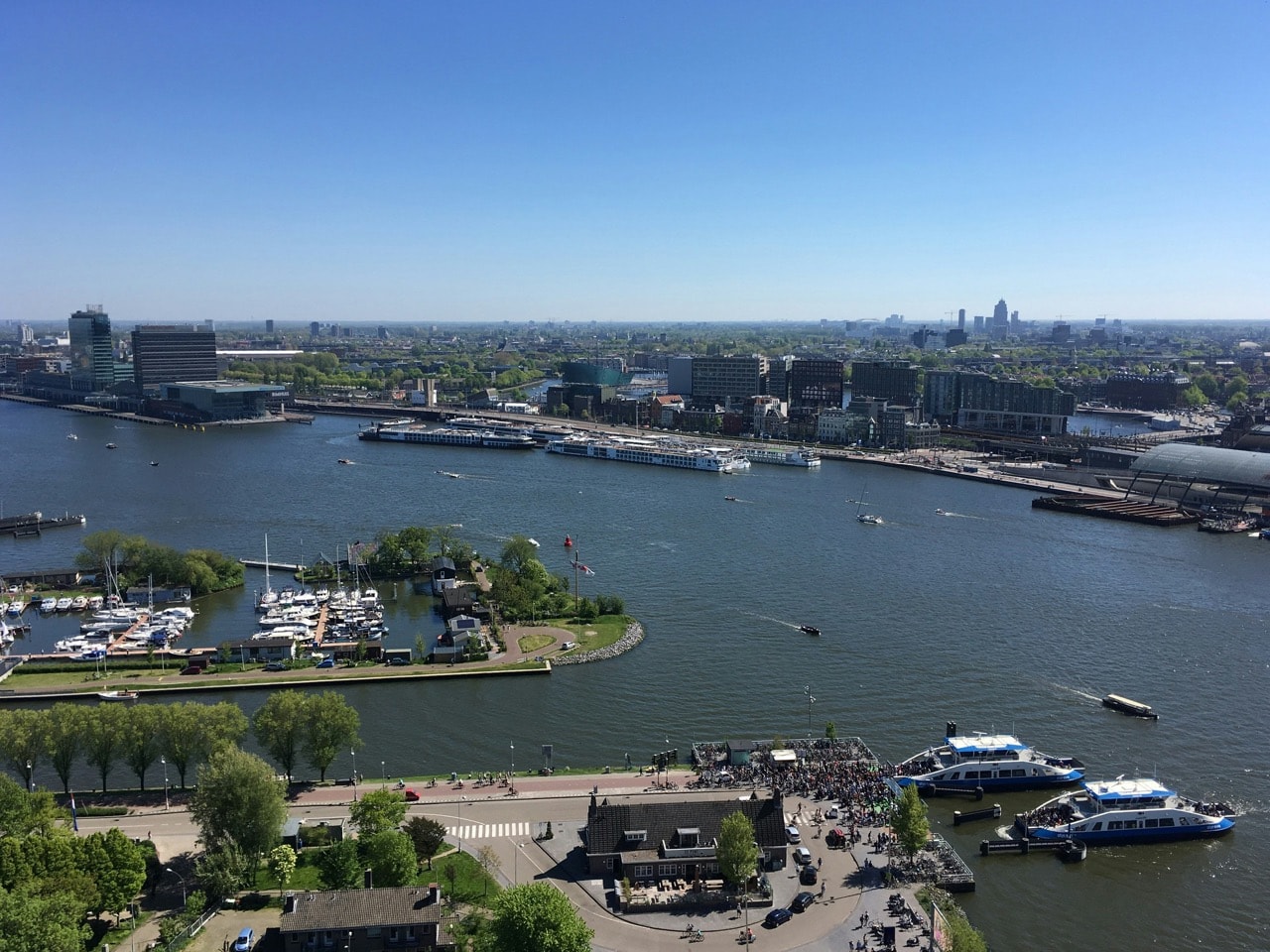
For some, the water of the IJ is the way from A to B, for others, it offers a place to find refreshment in summer or a home between the water plants. From fish to water snails and from coot to man, all meet on the water. But humans sometimes lose sight of 'the other': both humans and other life. The municipality of Amsterdam removes about a tonne of plastic out of the IJ every year. In an era of climate change and biodiversity loss, the relationship between humans and their environment is in need of renewal.
In the project Stem van het water (Voice of the water), Waag designed a method that pays attention to perspectives of both humans and animals, plants, soil, air and micro-organisms, in other words; the polyphony of the area. The underpinning questions to the method were: How can we make the different lives that intersect on the IJ visible to each other? And how can this help to be more considerate of each other?
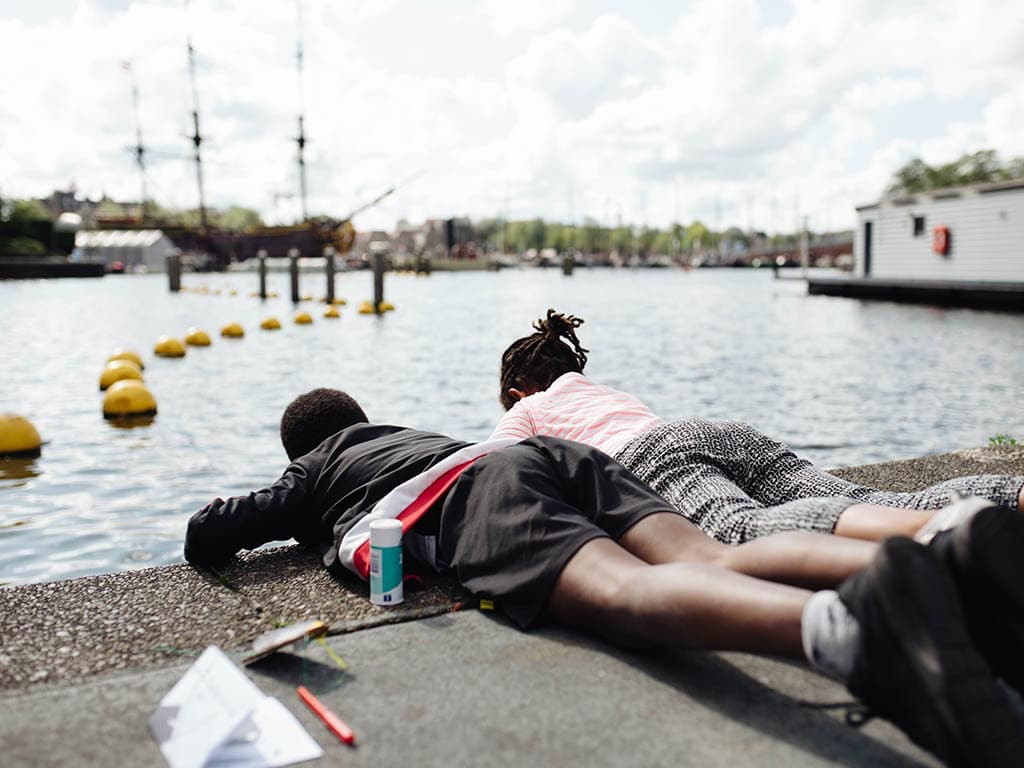
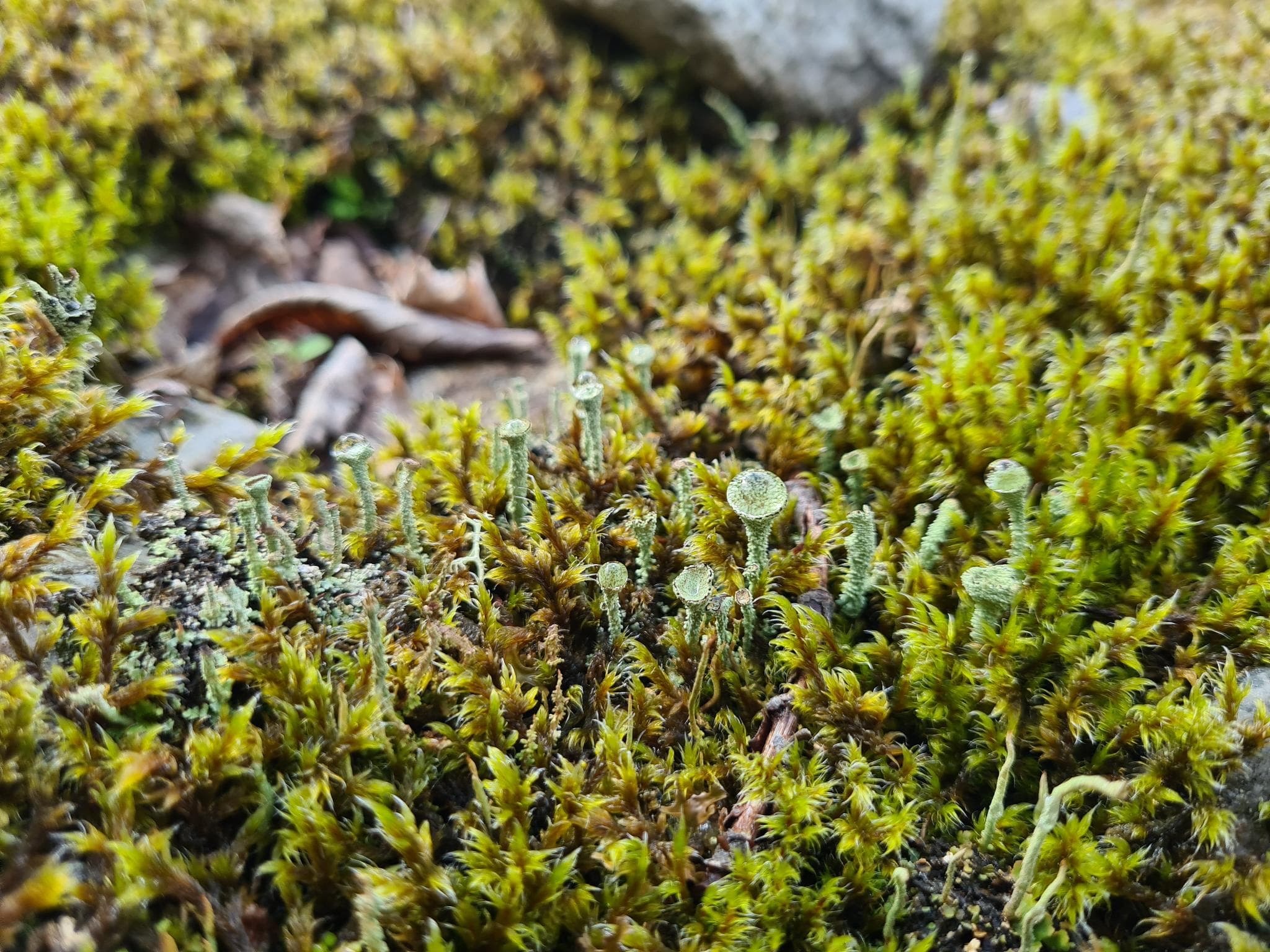
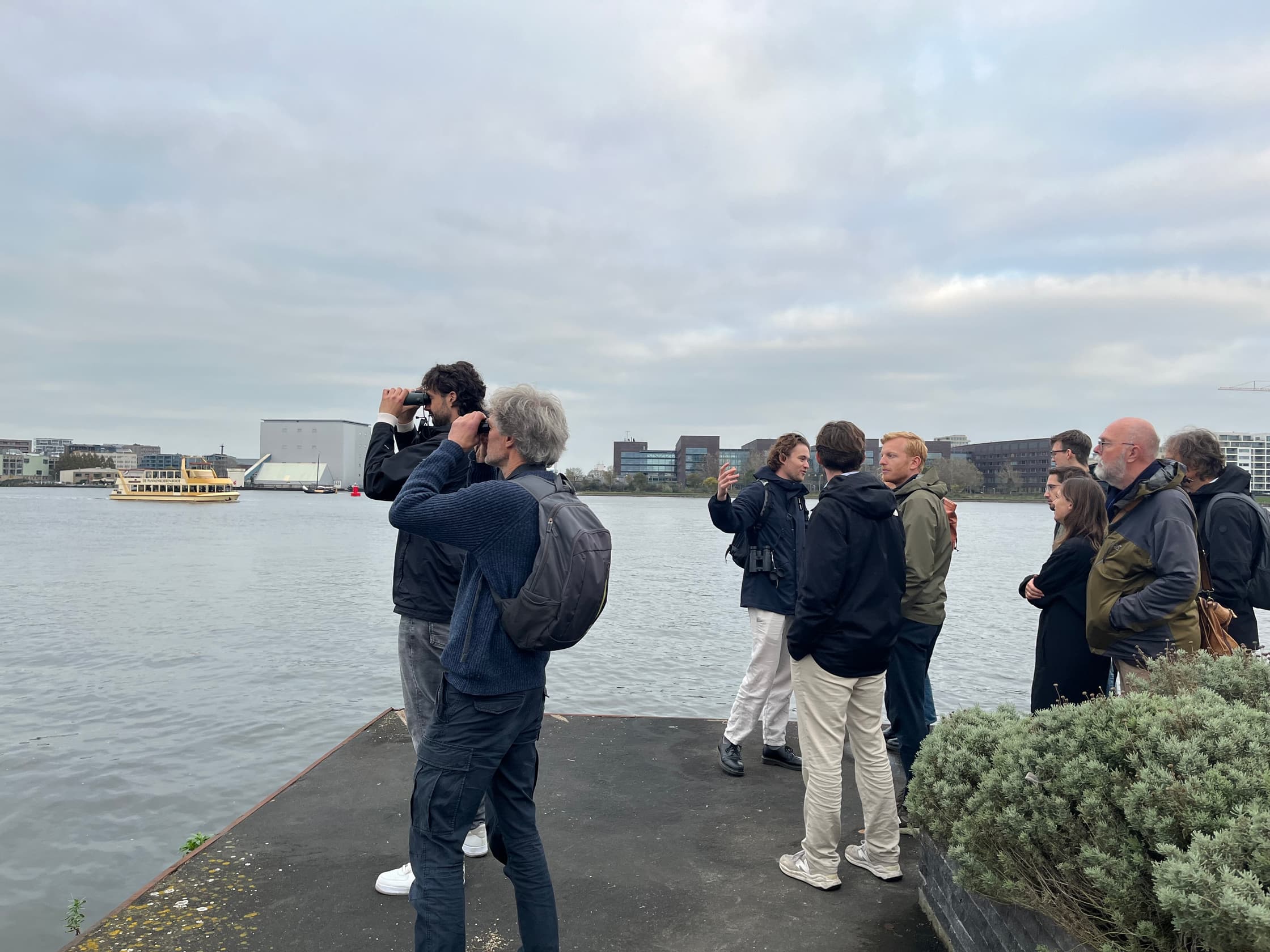
Together with conservators and users of the IJ, ecologists, artists and designers, Waag investigated life around the IJ. To do so, we used Anna Tsing's research method Arts of noticing, with which we challenged discussion partners to look at and describe their surroundings in a different way. Waag used the images, observations and experiences from this field research to design possible interventions that makes the polyphony of the IJ visible.
The toolkit Stem van het water contains assignments, examples and interviews from the research. It offers tools to listen to the different voices on, in and around the IJ: from human users to the living environment (animals, plants, fungi) and the water itself.
Connected River
Voice of the water was part of the European Interreg North Sea project Connected River. In Connected River, Rijkswaterstaat was working on innovations around stakeholder involvement on the water and on the river banks. One of the Dutch pilot areas in this project was the IJ in Amsterdam.
Meta data
Project duration
Links
Team
Financiers