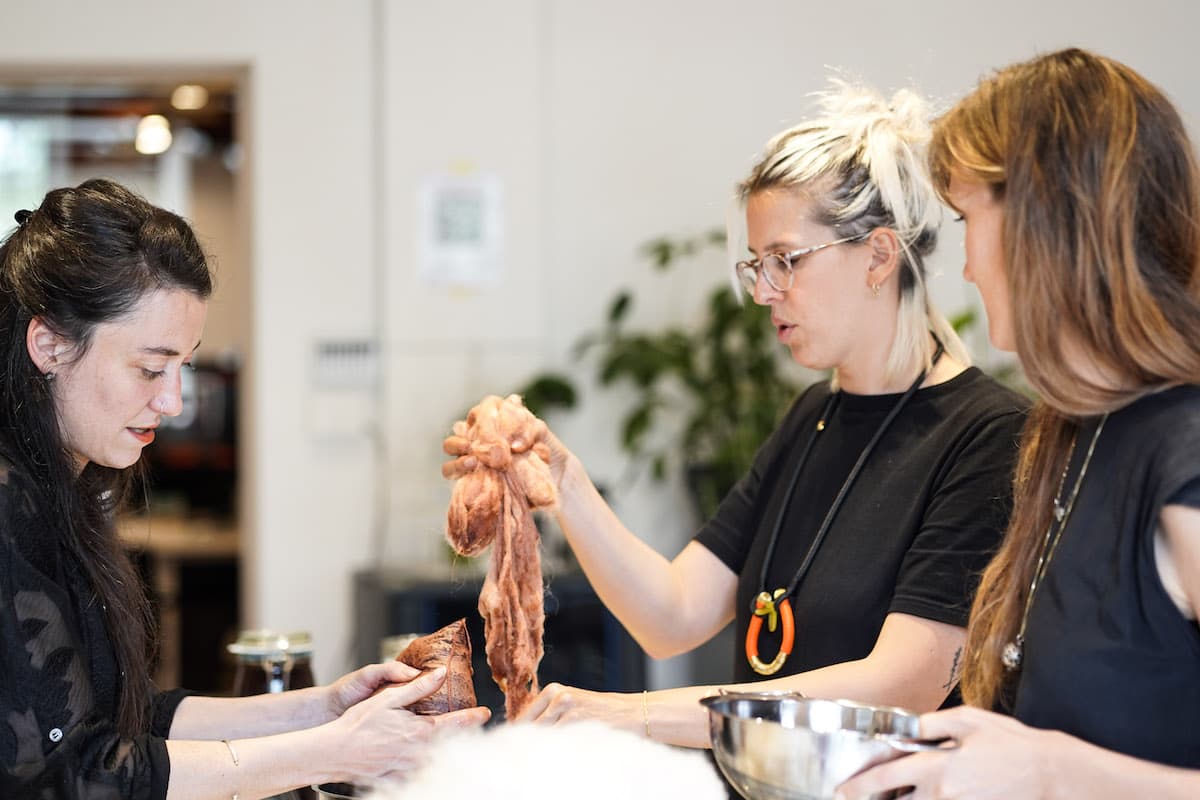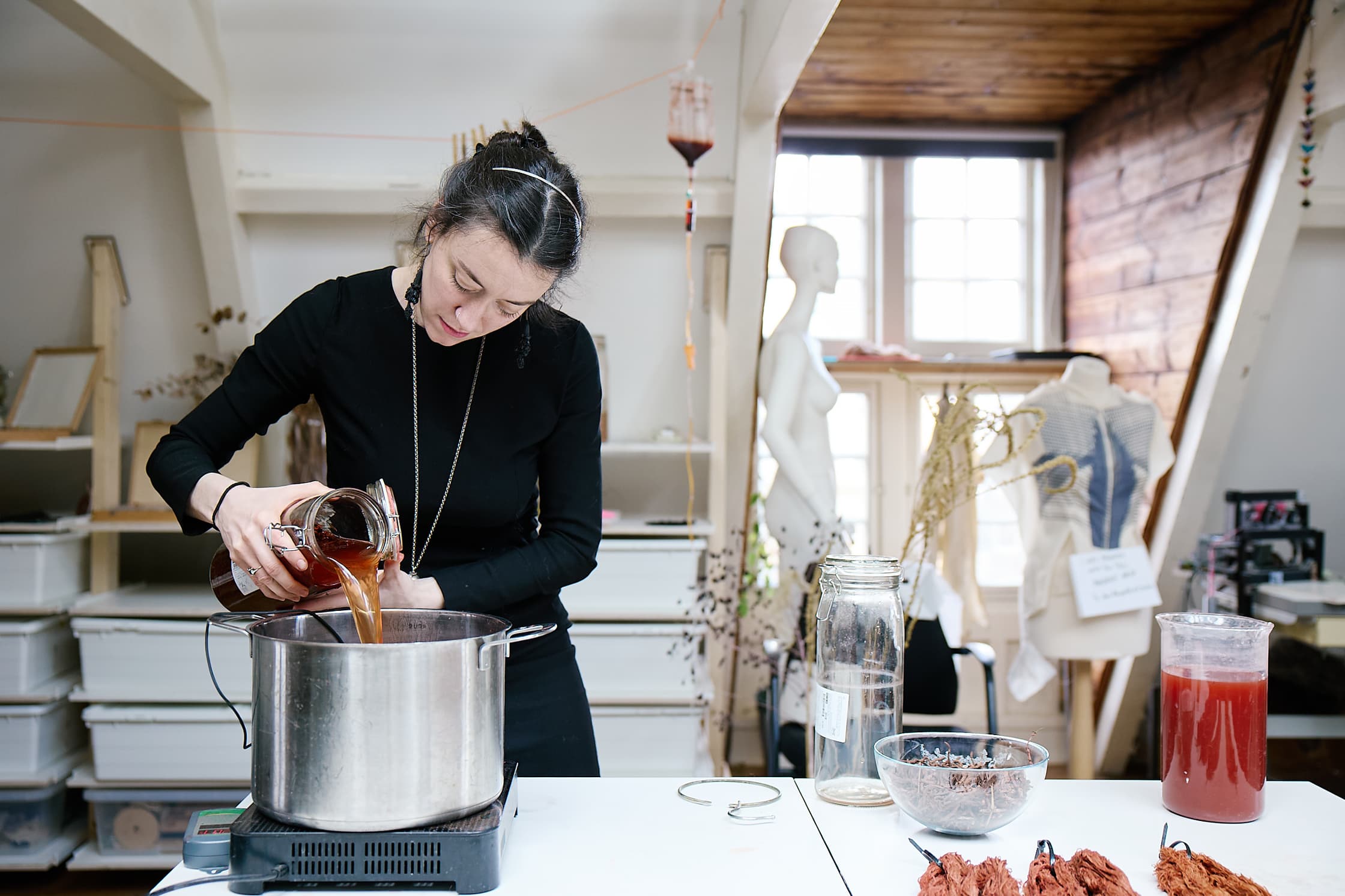
The dyeing of textiles is one of the most ecologically destructive processes in the textile sector. But it need not be so. Many have developed alternative ways of dyeing textiles with the aim of benefiting our environment rather than harming it. Yet, these initiatives often struggle against deeply entrenched extractive practices that shape the way we produce and consume textiles today. How to design for regenerative ways of dyeing textiles in the wake of such practices?
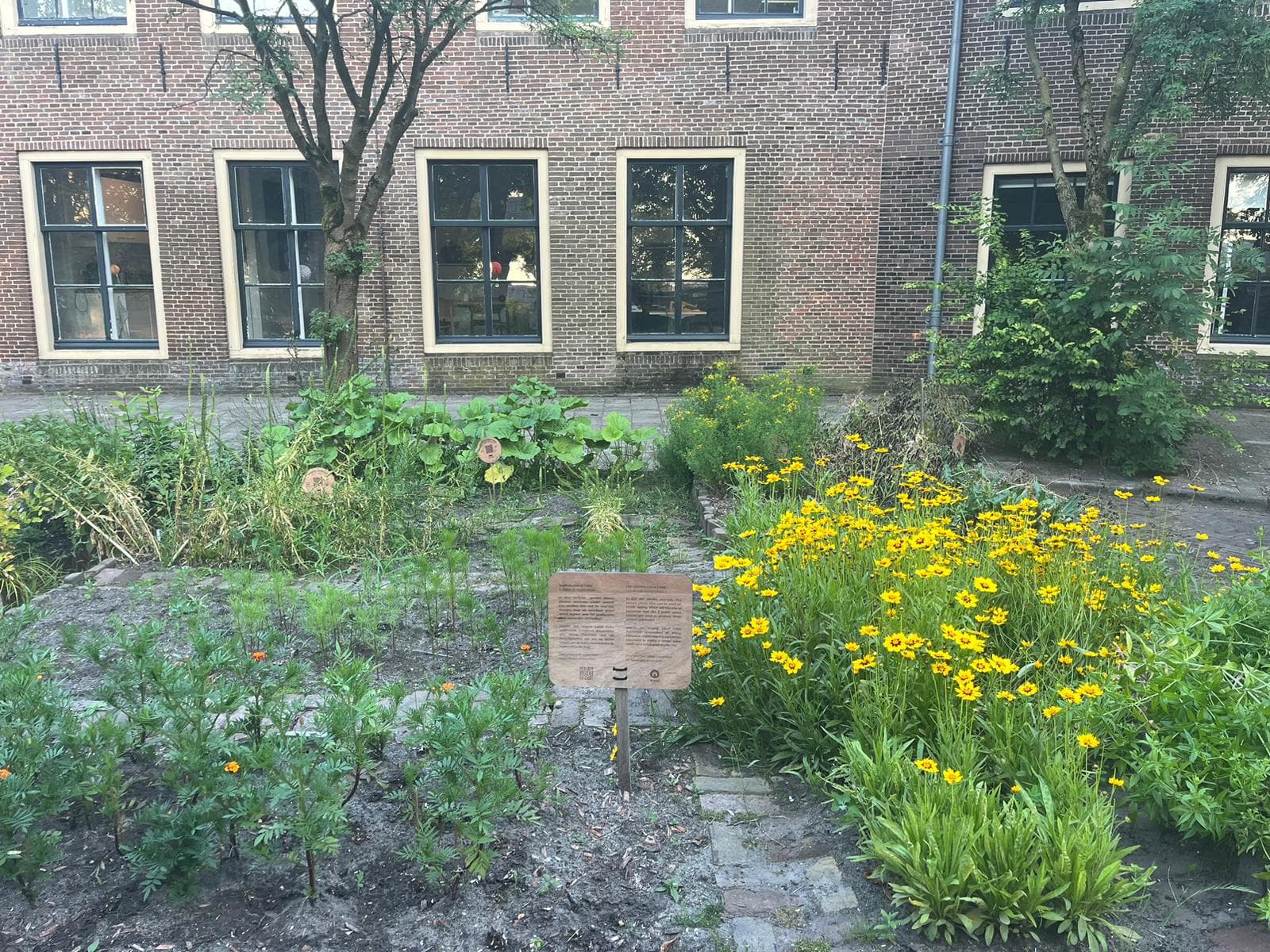
Over the last decade, the TextileLab at Waag Futurelab has been researching, questioning, speculating and testing ways of dyeing textiles as part of their aim to make the textile sector more regenerative. In this time, they have developed a model of their ways of working: the TextileLab model (TL-model). We explain this model by observing its use in Local Color, a project aiming to bring back the local production of plant-based textile dyes in the Amsterdam city centre. The TL-model draws attention to entanglements of materials, tools, processes, systems and culture that come into play when attempting to design regenerative textiles. By shedding some light on the model and its use by the team, we hope to inspire others to join us in making the textile sector more regenerative.