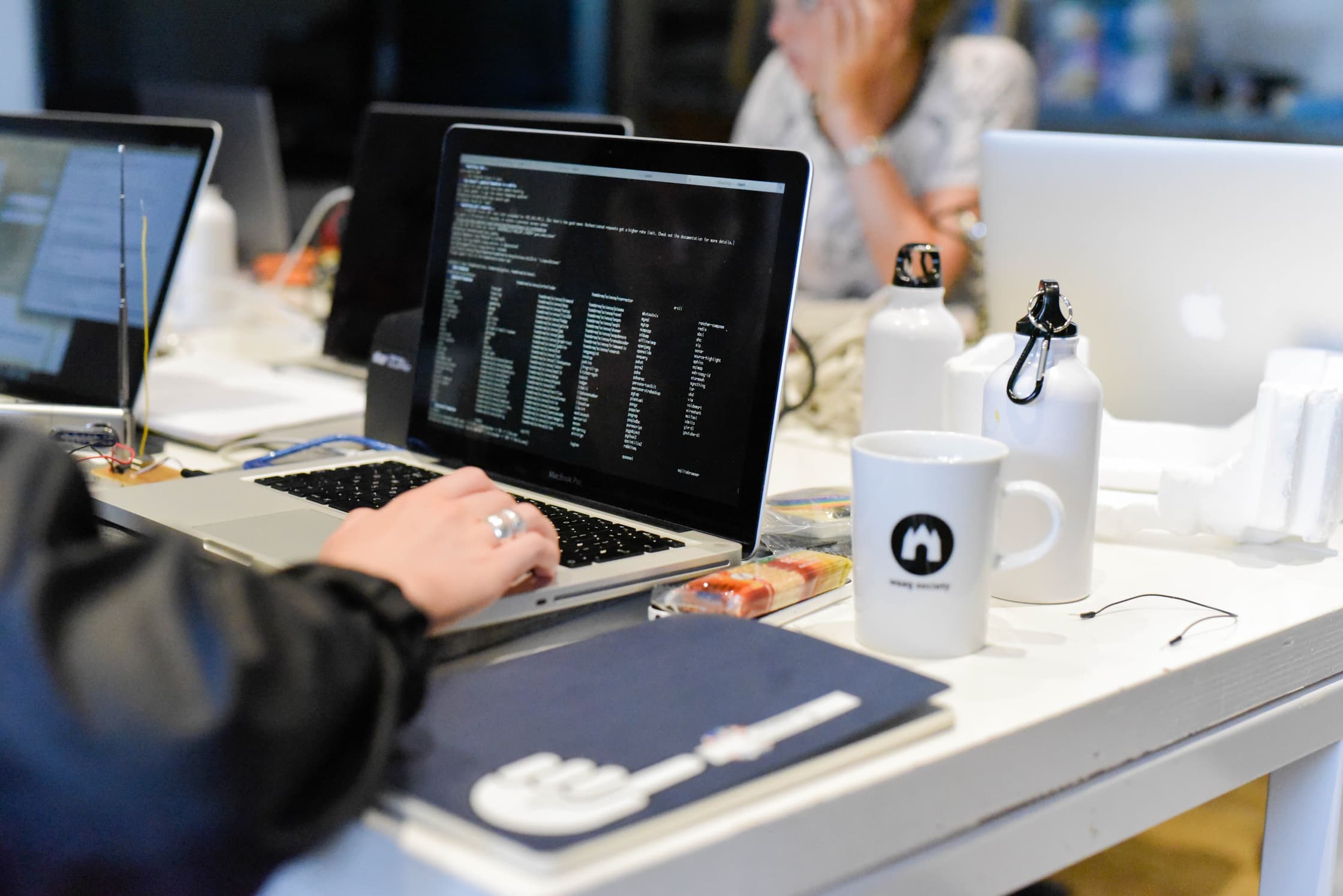
Digital autonomy and data management is a difficult issue for many organisations: who has access to sensitive data? And what does that mean for the groups they present?
Think of queer organisations, journalists who need to protect their sources, whistleblowers, energy coöperatives and civil society organisations working for, with or on behalf of people in vulnerable situations. When this data falls into the wrong hands, the consequences can be severe. At the same time, big tech companies earn from trading personal data. That can and must change.
In the workshops about digital autonomy, Waag, together with the municipality of Amsterdam, helps organisations move towards safe and independent technology. Key questions include: which services suit your organisation? What does digital autonomy actually mean? And what does switchting involve in practice?
Participating organisations first map out their own tech stach and data flow. They then experiment with alternatives, for example through a test server. After this, they work towards a concrete implementation plan. In the follow-up session, participants reflect on their experiences and providers of alternative technology think along with them. For smaller organisations, this also offers the chance to join forces when making the switch and invest together in shared technology.
Public Stack
Waag works from the principle that technology is not neutral. Choices in design, architecture and infrastructure determine who has access, who holds control and who is excluded. The Public Stack makes these layers visible and offers organisations a framework for making more concious choices about technology that gives them control over their data management. Read more about the model and see concrete examples of the Public Stack here.
Questions about the Working sessions for digital autonomy? Please contact tessel <at> waag [dot] org.
Meta data
Project duration
Links
Team



Financiers