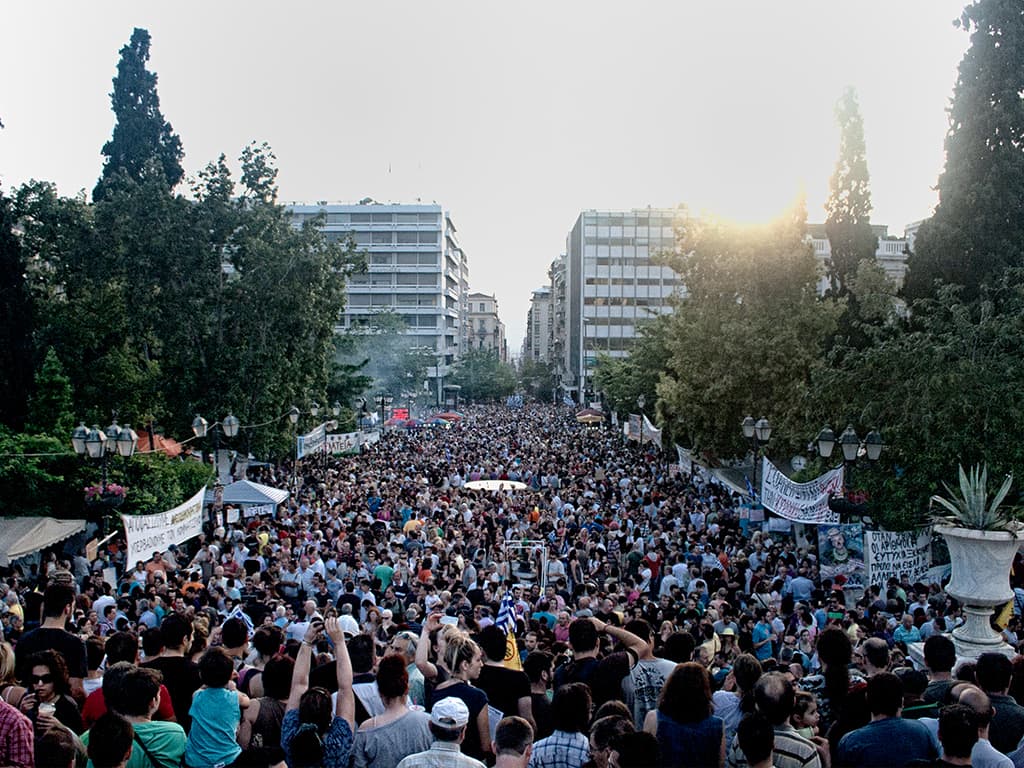
How democratic is a democracy if not all members of a society are informed enough to understand how to exercise their rights, or are ill-equipped to think critically about democracy and its supporting structures? In many European countries, there is a marked decline in trust in politics, in government and its related institutions, leading to increasing societal polarisation. Now, perhaps more than ever, we need to stimulate active, participatory, democratic citizenship.
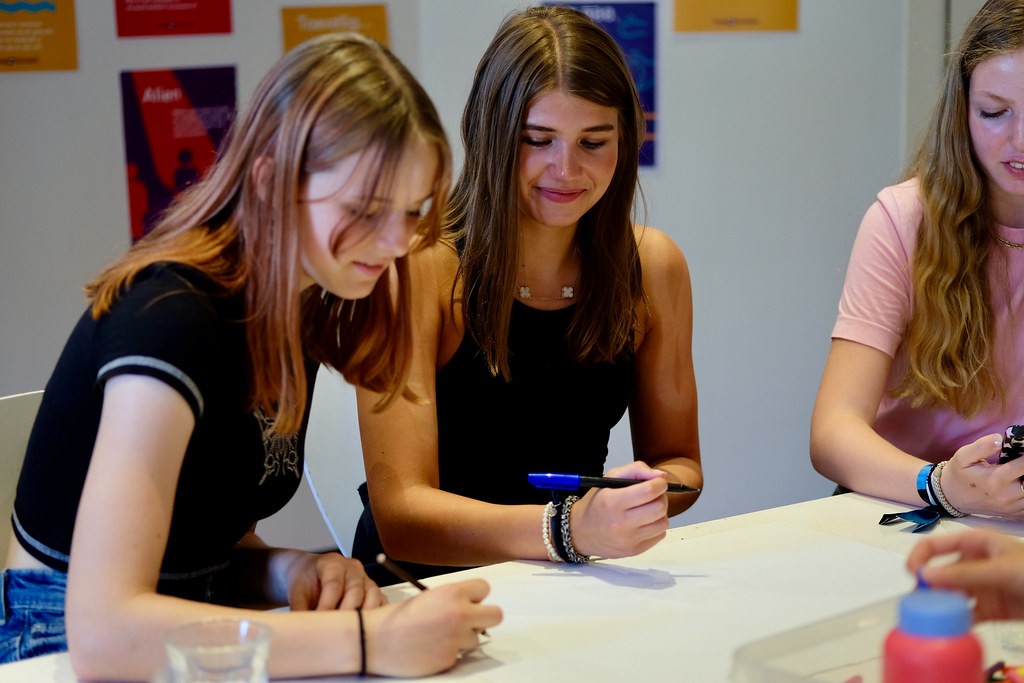
Young people are the future of democracy. In our Critical ChangeLab project, Waag researched how we can build notions of active citizenship amongst young people, 11 to 18 years old. By active citizenship, we mean encouraging the development of young people with a critical understanding and sense of ownership of, democratic values and freedoms, rights and responsibilities.
What is a Critical ChangeLab?
A Critical ChangeLab is a place and a space yet to be designed - an experimental laboratory - which uses a specific method, for example, critical making, to explore design thinking, creative process, discovery, experimentation and critical making, centred on capacities required for democratic participation.
In 19 European countries, Critical ChangeLabs were established for young people. Each lab approached the challenge from a different methodological position, and researched and measured how young people better understand, and engage with democratic ideals and processes, using aspects of that methodology. Building on the research in the Labs, the project developed educational methodologies and approaches which inspire, support and encourage responsibility, engagement and agency amongst young Europeans.
Results
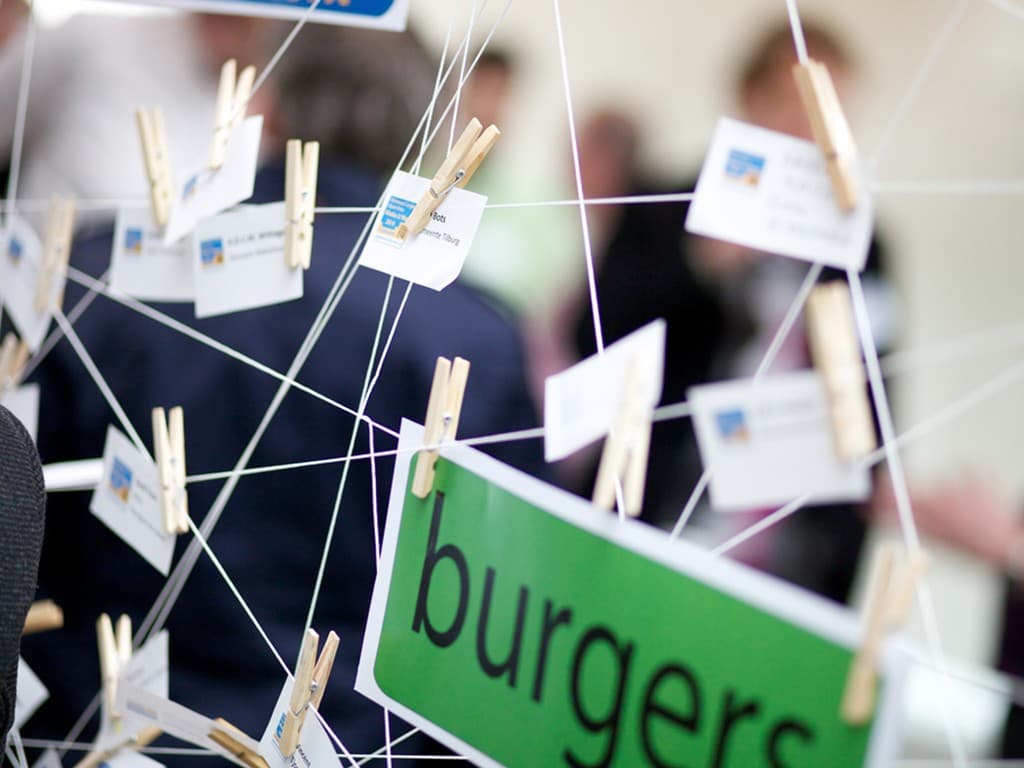
Critical ChangeLab established a transdisciplinary collaboration between various stakeholders from the formal and informal education sectors, civil society organisations and SMEs (small and medium-sized enterprises) to reflect, together with young people, on European democracy and to envision a future centred on justice.
The consortium developed the free online course ‘Youth, Democracy and Technology’, in which you explore how young people engage with democracy, the challenges and opportunities presented by digital technologies, and the role of art and activism in bringing about change.
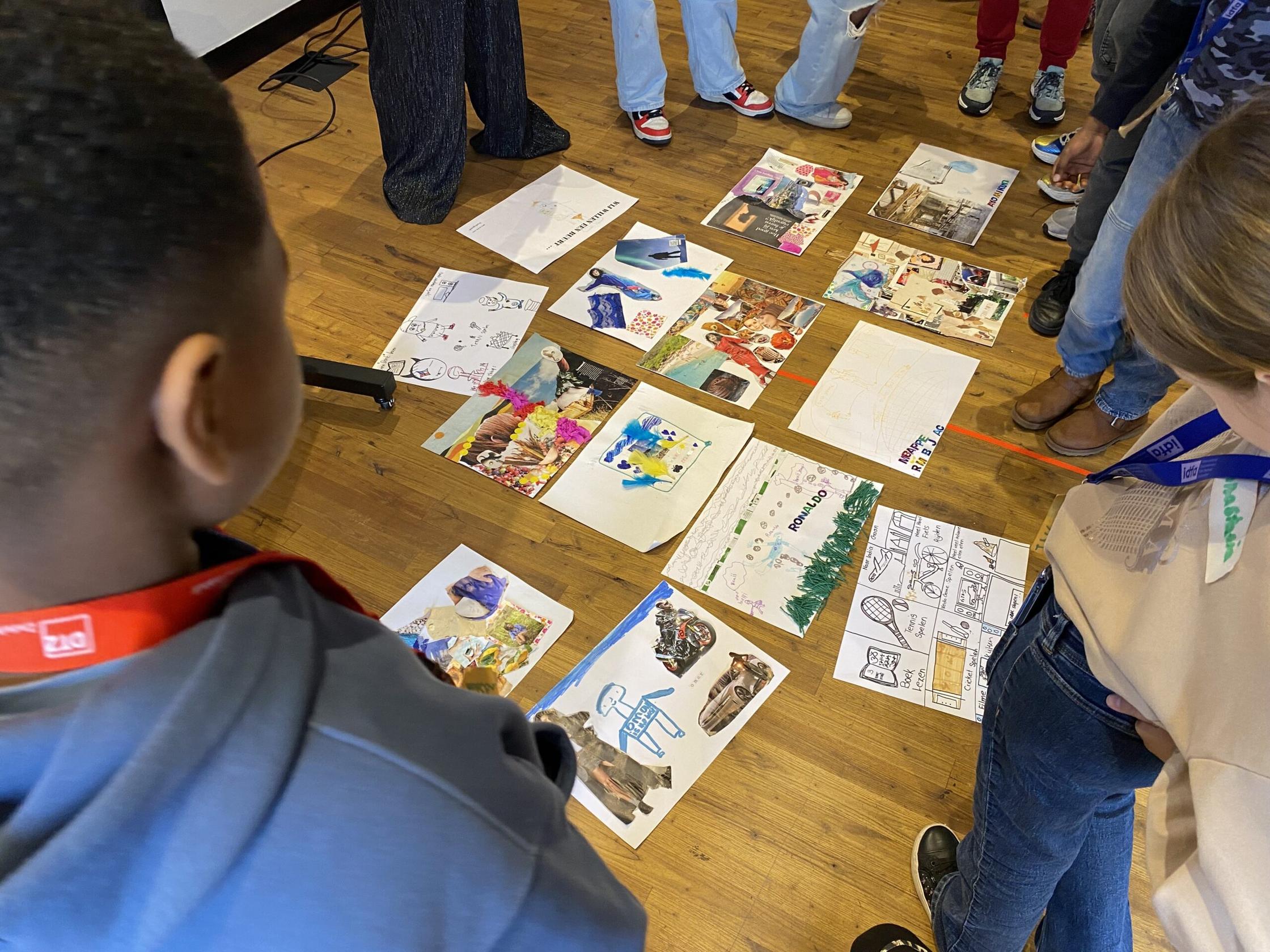
The teaching methods that have been developed are compiled in the handbook Democracy in the Making: Creative Methods for Young People, Teachers and Educators. The handbook offers practical methods to support young people aged between 11 and 18 in developing democratic skills.
In addition, the consortium published policy recommendations on education for a sustainable European democracy. The recommendations are based on insights from the research and the Critical ChangeLabs that took place. Four new approaches to citizenship education have been formulated, which help to strengthen young people’s democratic skills.
What did Waag?
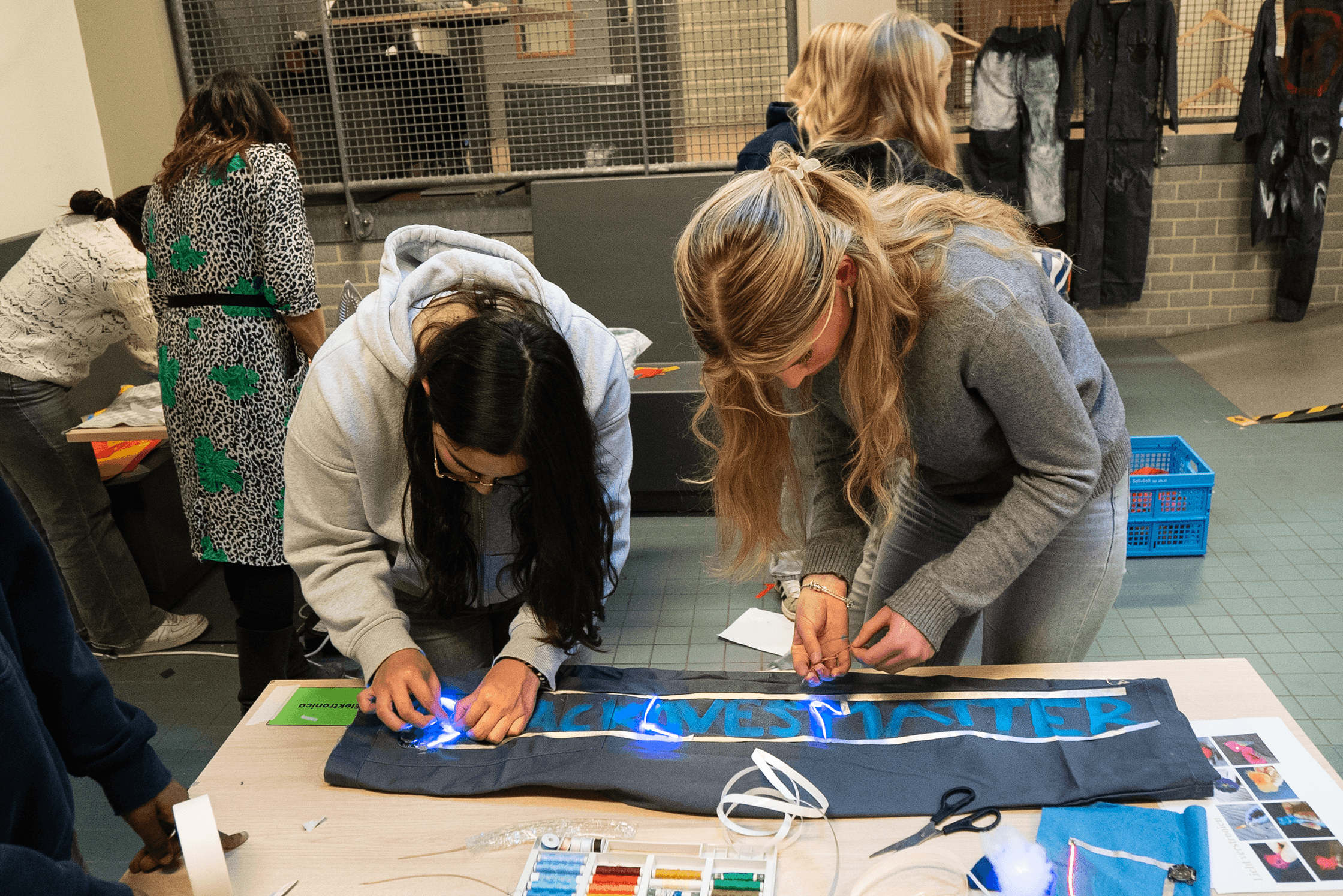
Waag was responsible for the Critical ChangeLab in The Netherlands. In this lab we focused on Maker Education as a way of allowing young people to think about and develop multiple future possibilities. An important focus of Maker Education is the development of resilience, engagement and agency, achieved through learning derived from practical experimentation and active making, or doing. While participants are given boundaries and limitations of various kinds, they are the owner of, and are responsible for, their own making practice and process, and its outcomes. Practical challenges require creativity and expertise in art, technology and science.

Mission
In the European project Critical Changelab, Waag Futurelab, together with partners University of Oulu (FI), University of Barcelona (ES), Ars Electronica (AT), Trinity College Dublin (IE), Kersnikova (SI), Latra (EL), Tactical Technology Collective (NL), European Alternatives (FR) and Institute for Social Research (HR), investigated the relationship between young people and democracy and thus the future of 21st-century European democracy.
Way of working
From Waag’s point of view, Maker Education (‘educating makers through and by making’) is a strong methodological approach, enabling skills of critical thinking, and co-operation. By iterating, inventing, discovering and testing, participants will develop creative flexibility, engagement and agency. Waag will research how a ‘maker mindset’, in combination with 21st Century capabilities, can help citizens to develop agency and understanding in order to encourage active social engagement.
Meta data
Project duration
Team
Financiers

Partners


This project has been funded by the European Commission HORIZON.2.2 - Culture, creativity and inclusive society and HORIZON.2.2.1 - Democracy and Governance.