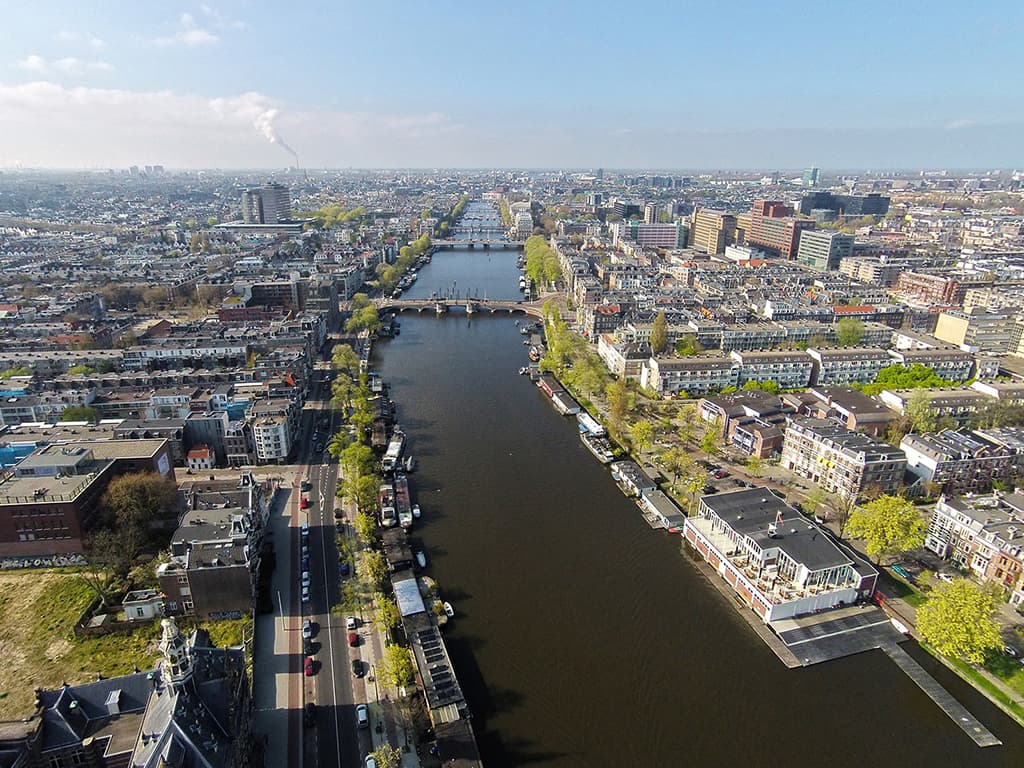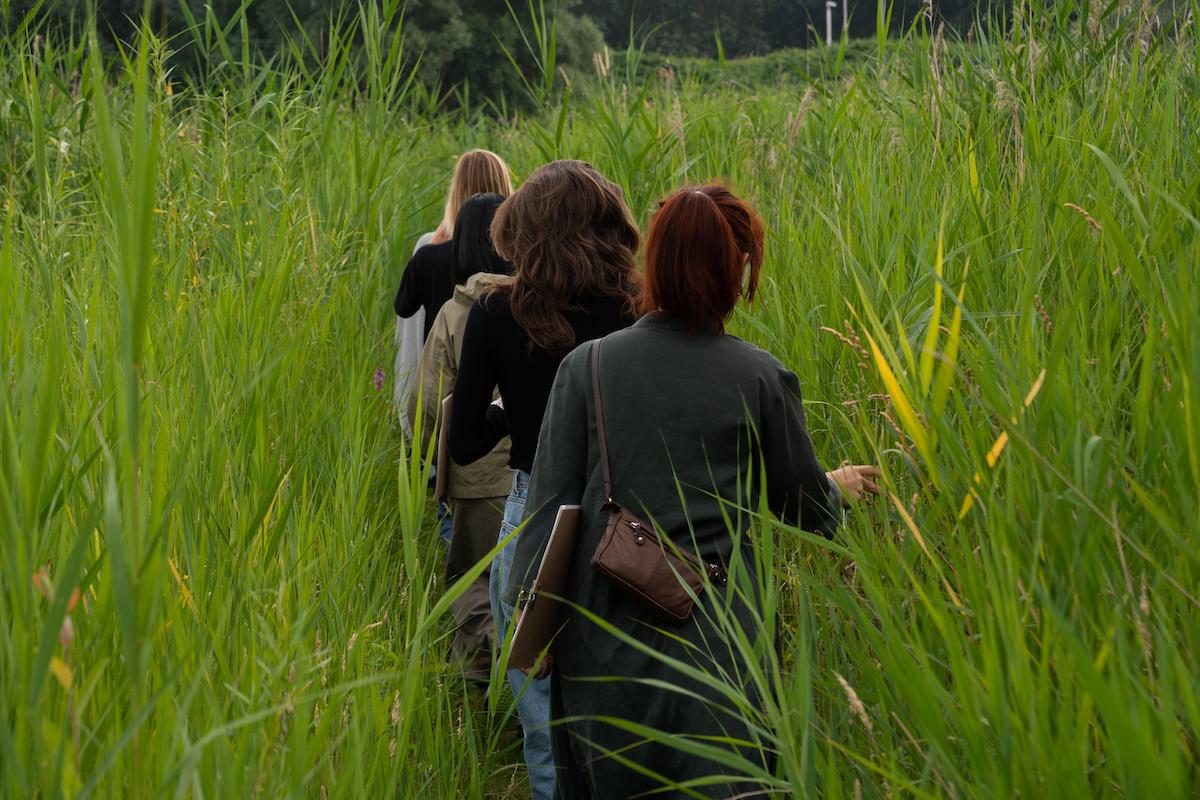

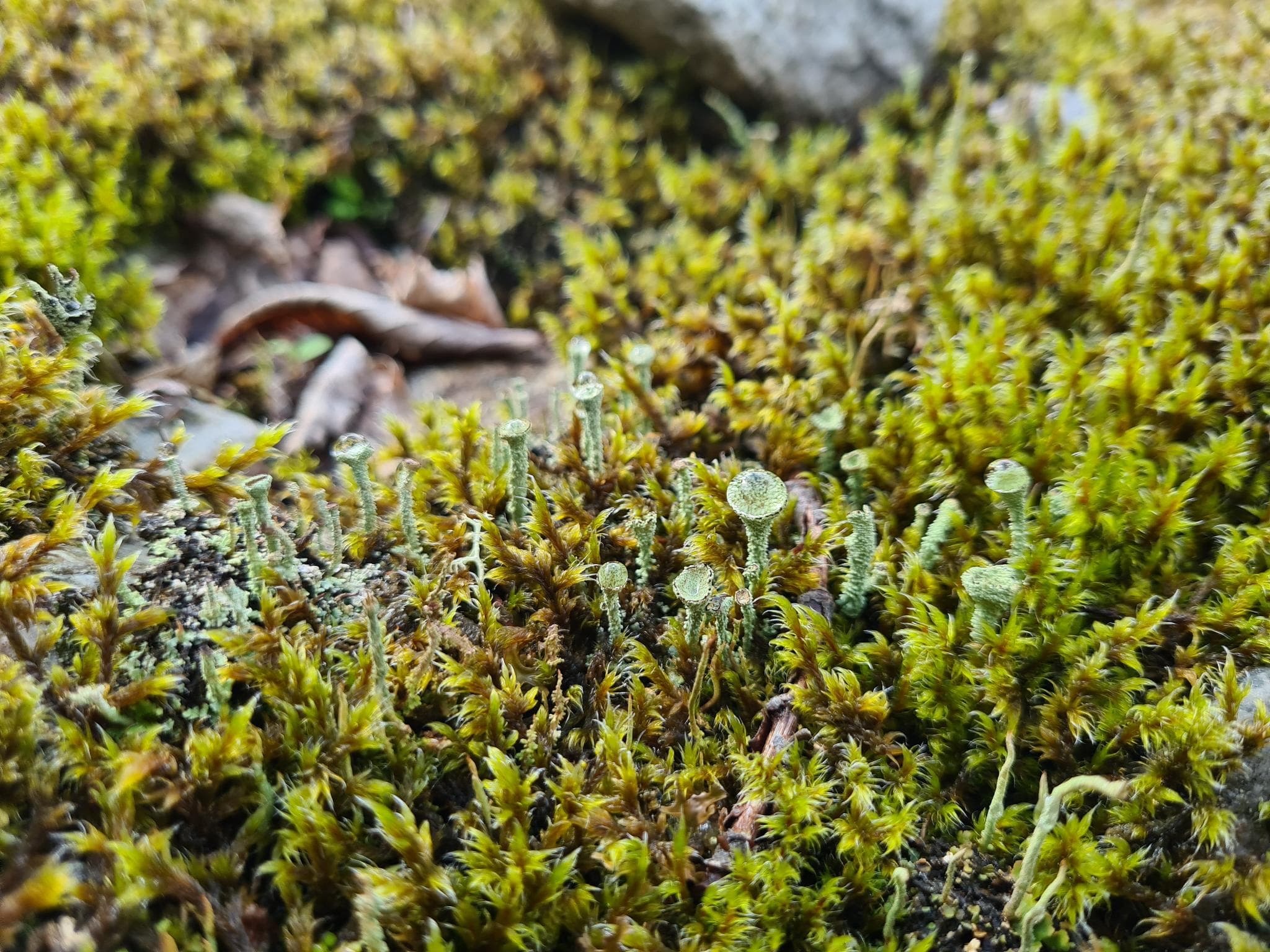
T-Factor wandeling Amsterdam Science Park
© Florian Geerken
life

Urban Ecology Lab

The Urban Ecology Lab begins where the built city encounters living nature. We increasingly understand that humans are not separate from nature, but depend on it for our health, well-being and happiness in life. The Urban Ecology Lab explores the future of the city as a living place, where people live together with many other forms of life.

In an era of climate change and biodiversity loss, the relationship between humans and their environment is in need of renewal. How do we relate to other animals, plants, soil, air and micro-organisms - in other words to the 'more-than-human'? What answers do they offer to major issues such as adaptation, resilience and mental and physical well-being?

The Urban Ecology Lab explores how different life forms, materials and socio-ecological systems come together in the city. Through local and small-scale experiments, we contribute to the transformation of our urban jungle into a vibrant ecosystem. Central to it are shared experiences between people and other life forms. We develop methods to (re)recognise the polyphony of an area, and deepen the imagination in order to arrive at new visions for the design of the city. 

The Urban Ecology Lab researches and creates a new perspective on urban development involving living nature.

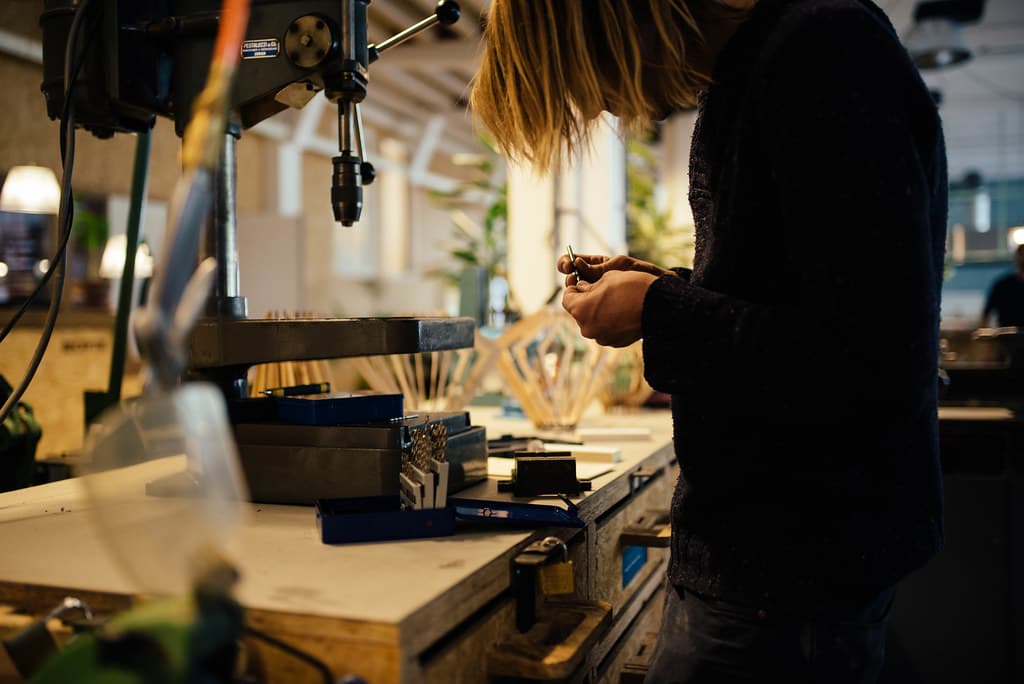
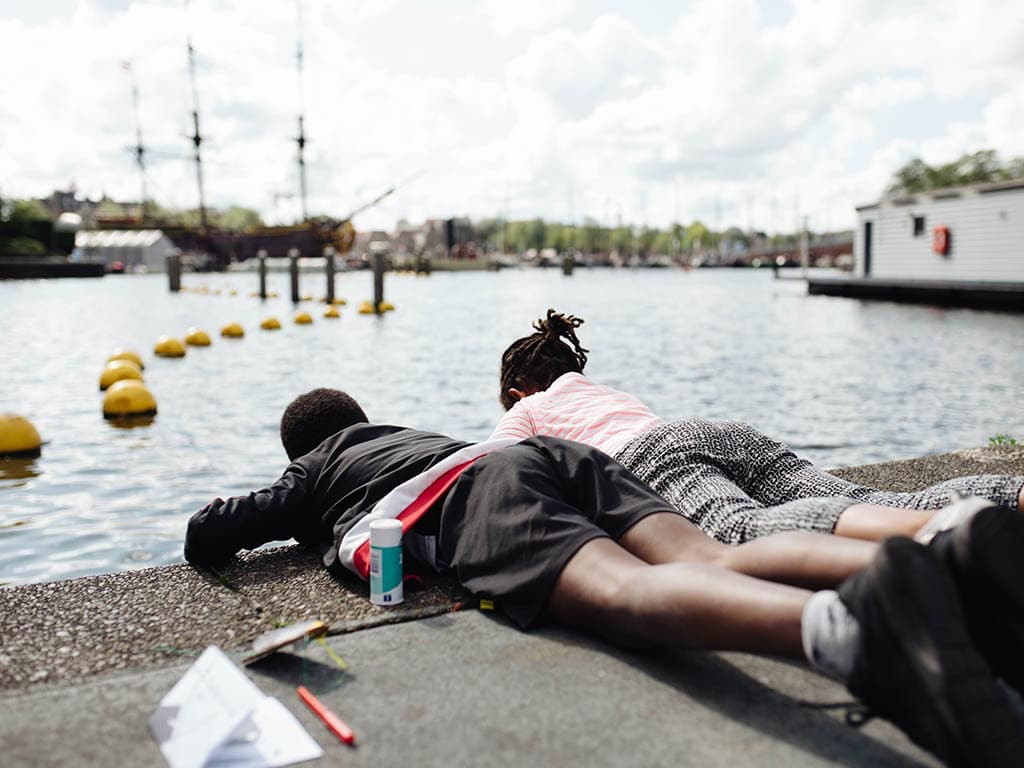
Together with communities of artists, citizens, urban developers and researchers, we actively go out into the field to develop ecological skills together. We call these 'eco-practices'. They enable us to experience and appreciate our environment in different ways. For example, we design and build outdoor spaces for and with different animal species, learn how to study the living environment with attention, and do artistic experiments. And sometimes we do nothing at all, to give the soil, greenery and other organisms more space and allow a place to run wild. 

This is how we cultivate ecological citizenship and a new view of urban development involving more-than-human-life. We do this partly from our physical Urban Ecology Lab at the Amsterdam Science Park, where urban development and the living environment intersect.

Meta data

Expert Urban Ecology

Team

Current projects

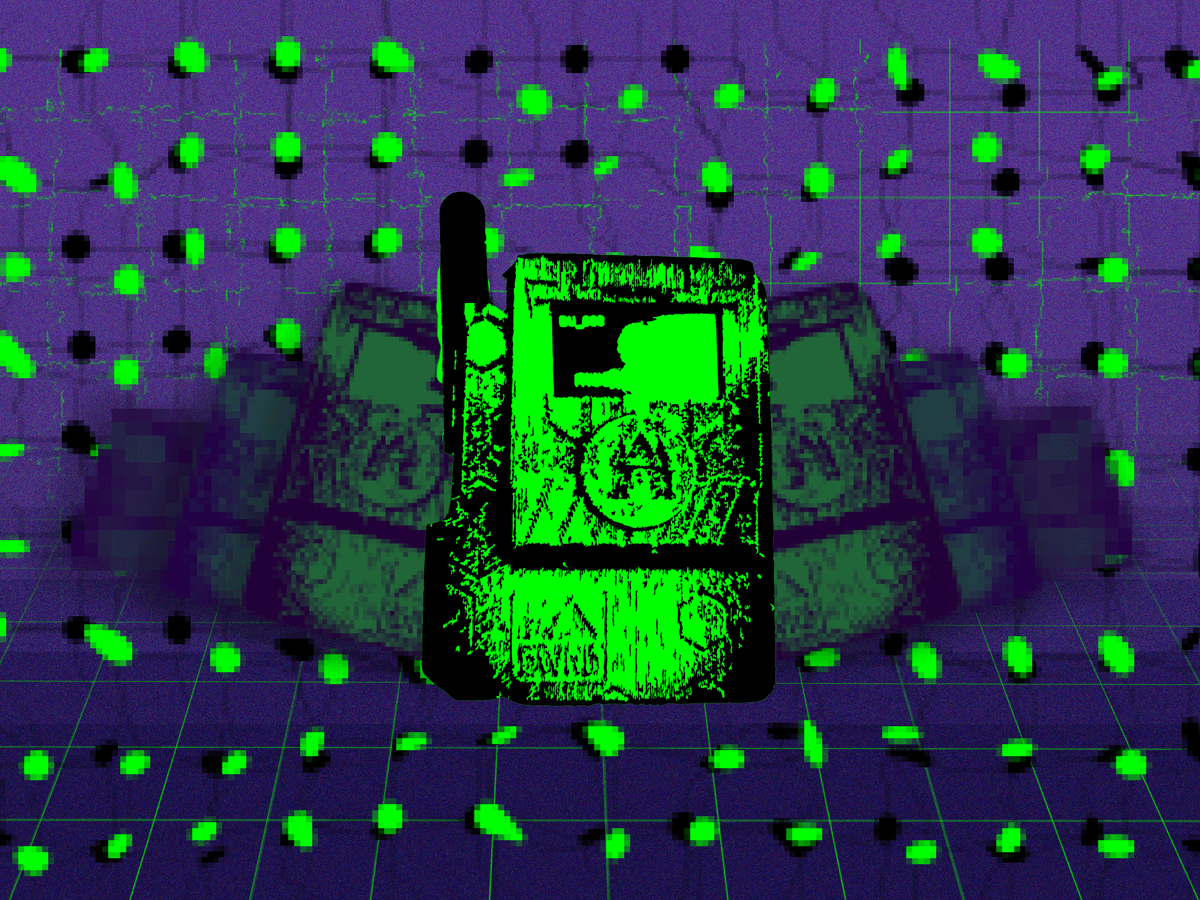
Grafisch beeld van een meshapparaat
Urban Ecology Lab

NodeNet

NodeNet is a pilot project in which Waag examines mesh network technology as a solution in case the traditional communication infrastructure in Amsterdam fails. The research focuses on both technical feasibility and the user perspective on the basis of various scenarios.
A dark skyline with a faint orange glow and fark blue sky
Urban Ecology Lab

MeshTesting

In het MeshTesting onderzoekt Waag hoe mesh-netwerken kunnen bijdragen aan een sterker decentraal internet door samen met potentiële gebruikersgroepen use cases te co-creëren.
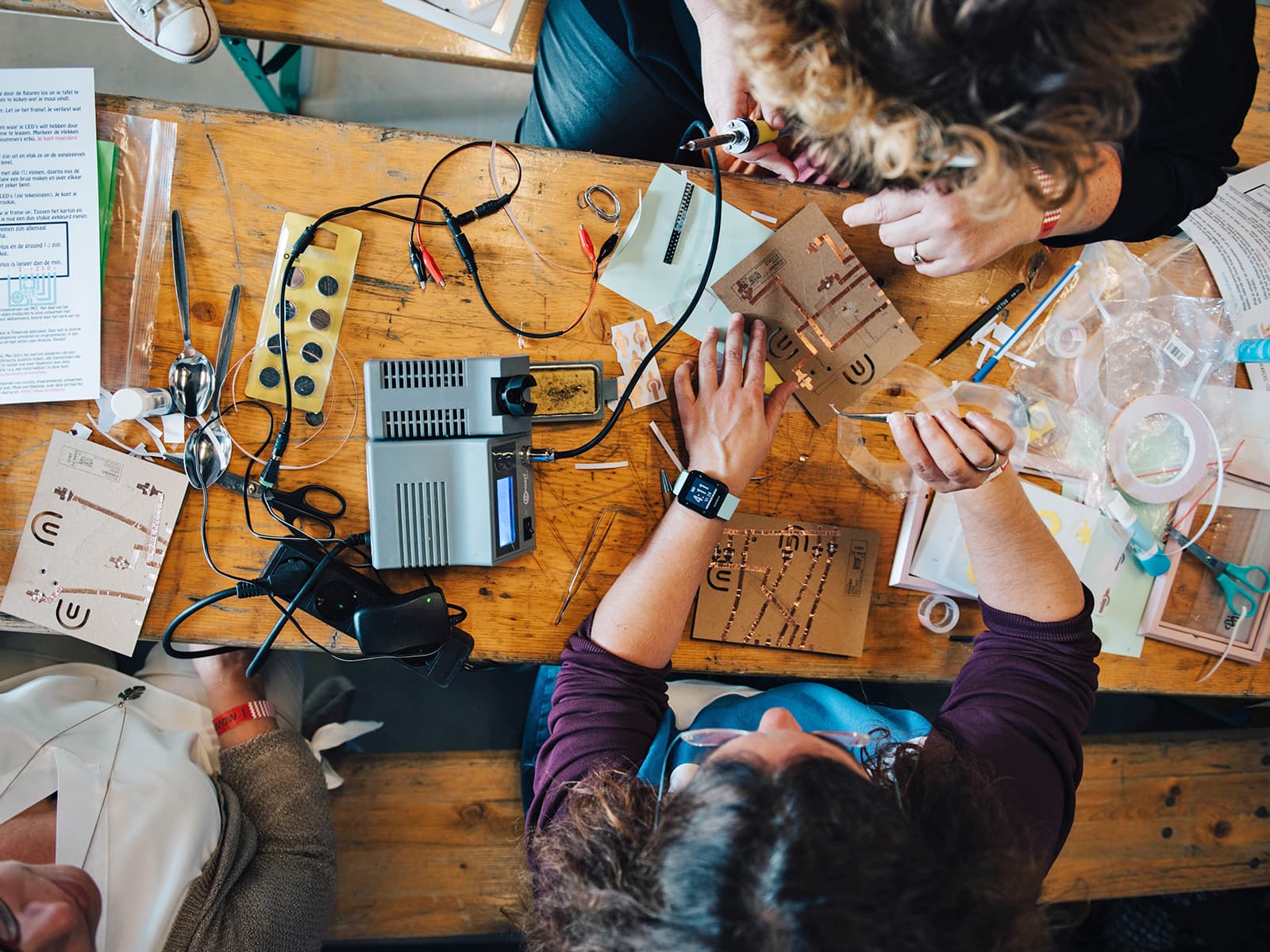
foto_openwerkplaats_openbarewerkplaats.jpeg
Urban Ecology Lab

Werkplaats voor de toekomst

Werkplaats voor de toekomst is a national network, programme and platform to strengthen the role of the creative sector in societal challenges.
Uitzicht over het IJ
Urban Ecology Lab

Stem van het water

In Stem van het water, Waag designs a method to make perspectives of both humans and animals, plants and micro-organisms on the IJ visible to each other. How can visibility and interventions help to be more considerate of each other?
Satellietbeeld Lutkemeerpolder
Urban Ecology Lab

Voedselpark Amsterdam

Waag Futurelab, Stichting Voedselpark Amsterdam and artist Esra Sakir, investigate the relationship between het Voedselpark and the Nieuw-West neighbourhood. What role does food and local food production play for the neighbourhood?
Kévin Bray. Vertical Atlas, 2018.
Urban Ecology Lab

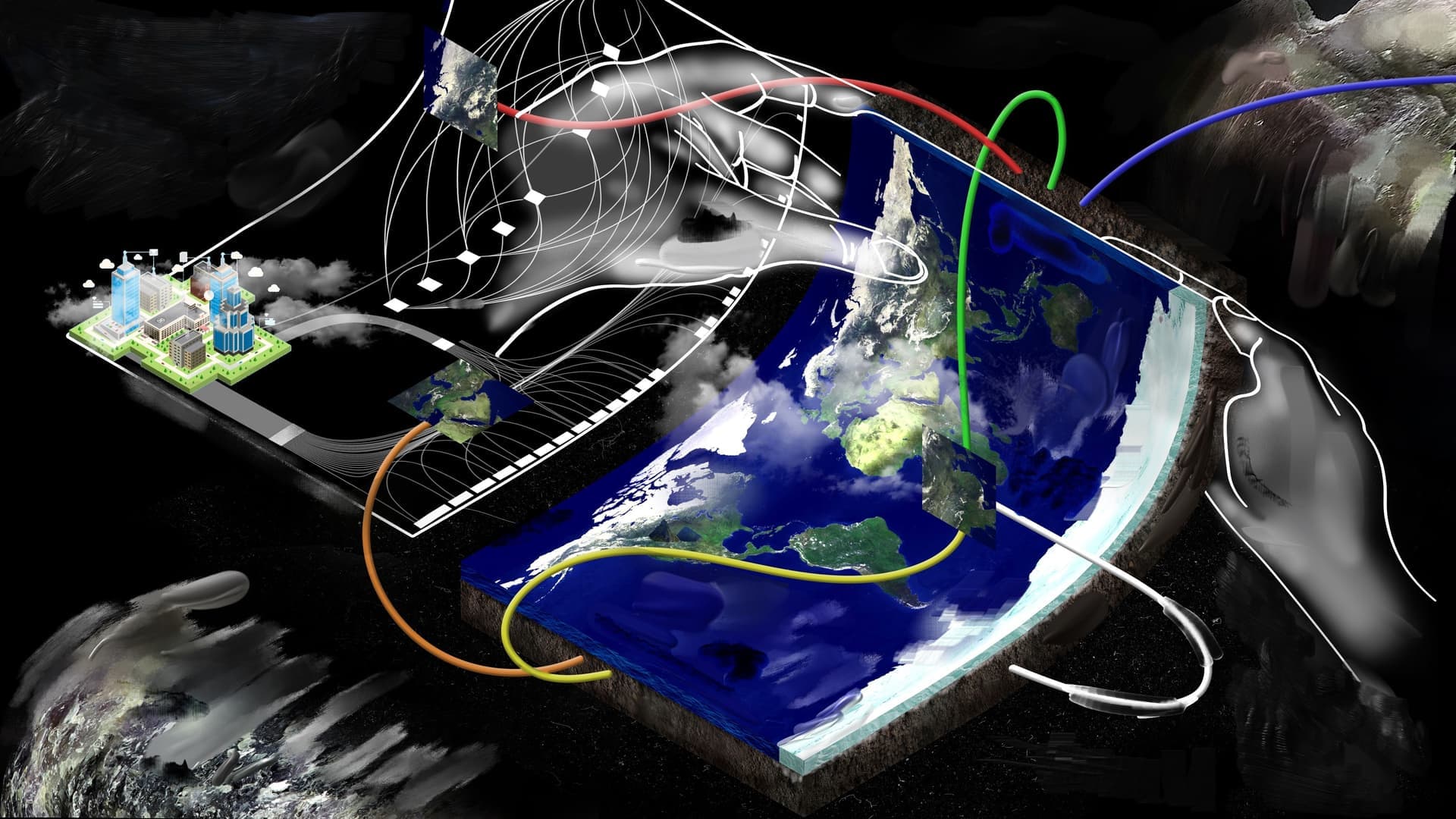
Designing regenerative technologies

In the project Designing Regenerative Technologies Waag investigates the impact of digital technology on our planet and develops ways of designing regenerative technologies.
Opening Planet B @ Amsterdam Science Park
Urban Ecology Lab

T-Factor

Within T-Factor, Waag will help enrich and steer the Amsterdam Science Park masterplan towards urban ecology-related innovation and enterprise.