KINETIKA embraces Industry 4.0 concepts to create a 4D digital twin framework for cultural heritage (CH) objects with mechanical parts, focusing on movable structures of industrial heritage and cultural heritage masonry. By integrating advanced imaging - photogrammetry, laser scanning and muography - KINETIKA captures both the physical form and internal complexity of objects, reflecting their dynamic nature. Through Internet of Things-based sensor networks, the project continuously monitors structural integrity, environmental conditions, and mechanical performance, feeding data into AI-driven analytics for anomaly detection, predictive maintenance, and conservation strategies.
These technologies will be developed and tested within the following pilots:
Salamanca Cathedral Bell system, Salamanca, Spain
The "Enaerios" Remedial Conservation and Restoration of the Historic Cable System, Naxos, Greece
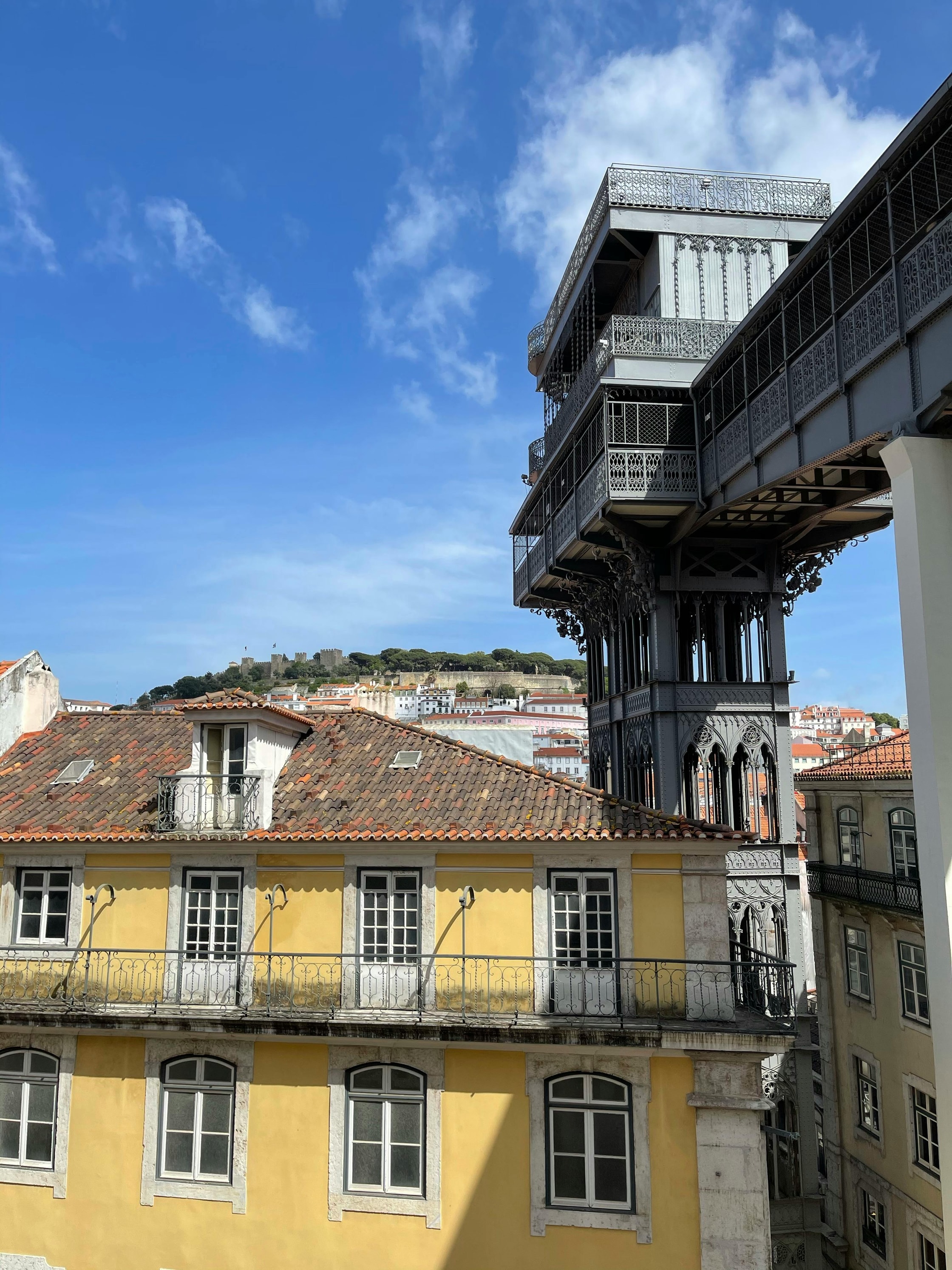
Santa Justa Elevador, Lisbon, Portugal
Mine Hoist Tower, Pyhäsalmi, Finland
High Castle, Vienna, Austria
What is Waag’s role within KINETIKA?
Technology is not neutral, but cultural. Waag is conducting research regarding cultural sensitivities of these technologies in relation to the pilots with stakeholders in the cultural heritage sector, as well as the critical implications of the use of digital twins in the sector. We work on cultural challenges as drivers of new technologies. How can these concerns shape new technologies and their use? Some key cultural challenges include:
the loss of intangible knowledge and practices,
unequal access to cultural data,
loss of diverse narratives,
new forms of cultural expressions,
public use of heritage.
Through mattering, we will try to investigate and integrate, how to move from technologies as matters of concern, to matters of care.
Secondly, we will research the Public Stack for Cultural Heritage. By using the methodologies such as Critical Making and Value Sensitive Design, we will try to answer the question: What would be the designing principles for digitisation and digital twins of cultural heritage artefacts in preservation, collection and public interaction with them.
These research activities will be conducted through stakeholder engagement, using Theory of Change as a methodology. First, we will gather stakeholder requirements, in which we will prioritise the needs of cultural heritage stakeholders, preservation experts, and technology providers through workshops and focus groups. Apart from that, we will also collaborate with the whole consortium to develop a sustainable stakeholder ecosystem by engaging heritage organisations, industry, and policymakers, ensuring their needs guide KINETIKA’s development while building collaborations with other EU projects.
KINETIKA feeds into the Waag research programme of Public Technology, as the project seeks to use the Public Stack and Critical Making to guide the development and use of these 4D technologies. By actively thinking through Material Stack, the project will also critically question the act of preservation—what are the materials and labours involved, for what and whom.
Meta data
Project duration
Team




Financiers


KINETIKA is funded by the European Commission under grant agreement number 101233379.