What might a craftsperson in the future, or craftsership 2.0, look like? Traditional ideas of craft suggest highly manual, hands-on work with little reliance on machines. However, this image is not always accurate. Researcher Zoénie Deng describes the skills, mindset and knowledge needed for the modern craftsperson, using insights gained from the Tracks4Crafts project.
Redefining the craft
Nowadays, in the production of textiles, machine-based processes dominate. Digital textile printing, in particular, often feels detached from craftsership. It typically requires only a digital design file, a textile printer and the simple act of pressing “print” and waiting. During the printing process, there is little to no interaction between the person and the machine.
By contrast, traditional notions of craft evoke an image of highly manual and embodied practice, with minimal reliance on machines - this image isn’t always correct. Many machines are integral part of textile making - at a craft level and beyond. Think of a spinning wheel or a the loom, they are integral part of the artefact making by the craftsperson - we can say in fact - they become one, every craftsperson is often deeply attached to their own machines.
But a craftsperson might also work lengthily by hand in processing the resources - carve wooden blocks for printing and prepare dyes baths from natural matters. They press the carved blocks onto the textile or use brushes to paint directly onto the surface. In both these sets of traditional processes, knowledge is tactile, sensory and deeply connected to the material.
This differs from the digital work and digitally controlled machinery - where more distance is put between the tangible processing and the craftsperson, where machine and computers take over the intervention.
What, then, might a craftsperson in the future, or craftsership 2.0 look like? This concept envisions a skilled, hybrid practice that embraces both human tangible and tactile knowledge, bridging it with technological skills and digital approaches.
Transforming the craft of block printing
Waag’s TextileLab team has been exploring the role of technology in textile printing crafts through the Tracks4Craft project. The researchers/makers of the team include Cecilia Raspanti, project lead, expert in sustainable material strategies (natural dyes and biomaterials); Aslı Aydın Aksan, who specialises in computational and parametric design; and Michelle Vossen, whose expertise lies in electronic design and sensor crafting. They have brought their strength together to collaborate, exploring how textile printing can evolve while still honouring tactile knowledge and craft identity.
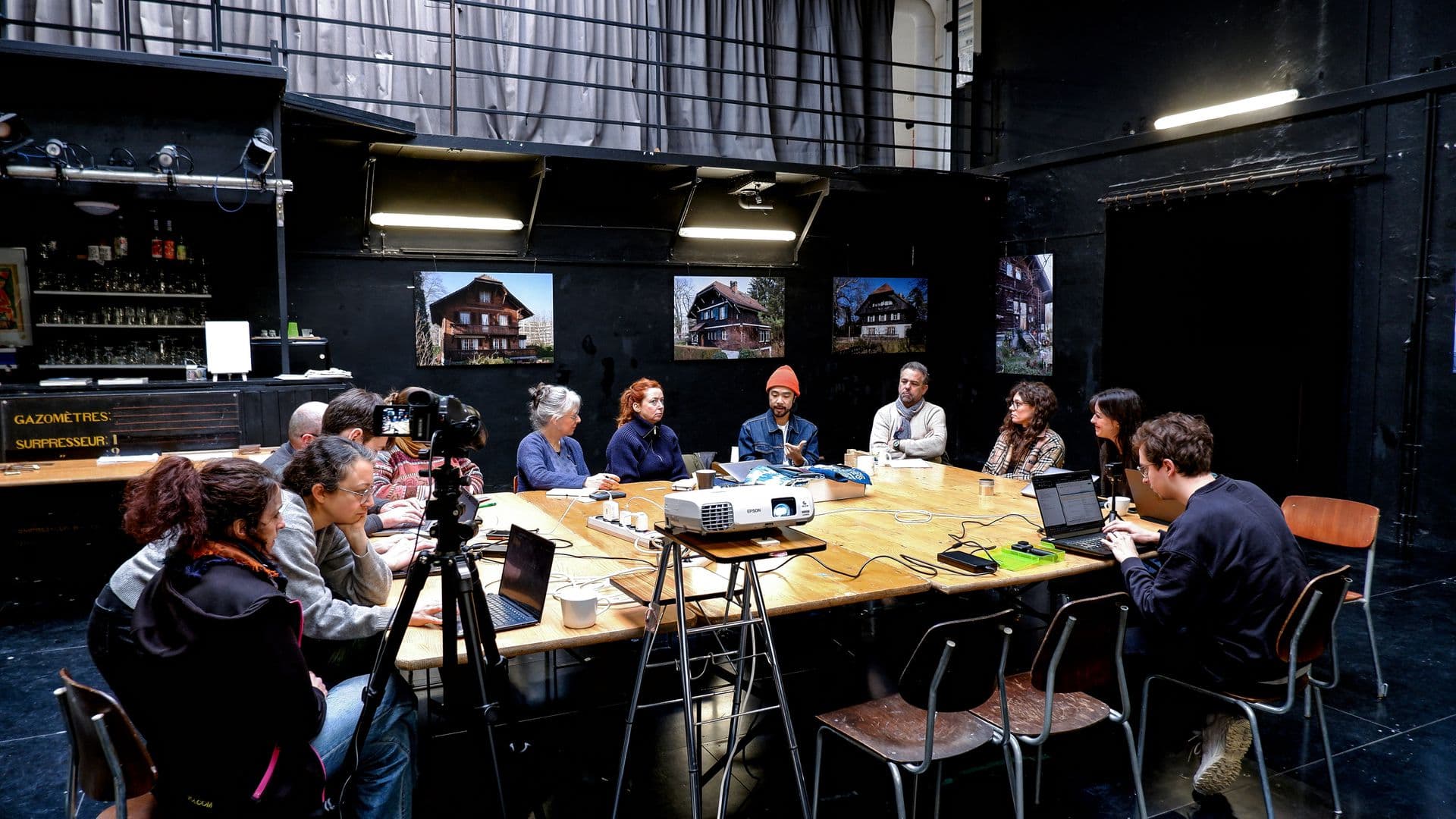
Their work began with studio visits and interviews with textile practitioners across the Netherlands. These conversations reaffirmed the importance of both the love and respect for materials and processes, as well as the role of hand–eye interaction in craft practices.
One example that emerged from multiple block printing craftspeople emphasised that simply translating woodblock designs into digital files for CNC milling isn’t a straightforward process as it may seem. Good execution would definitely require deep wood-craftsmanship knowledge or it may alter the outcome of the print entirely. These are knowledge and experience based practices. Hand-carving allows the maker to adapt the type of carving to the material and expected printing outcome at each section of the wood - depending on the grain, variations in texture and hardness, responding intuitively to the material. This sensory dialogue is central to both the joy and meaning of craft.
Creating the HaptiColor Machine
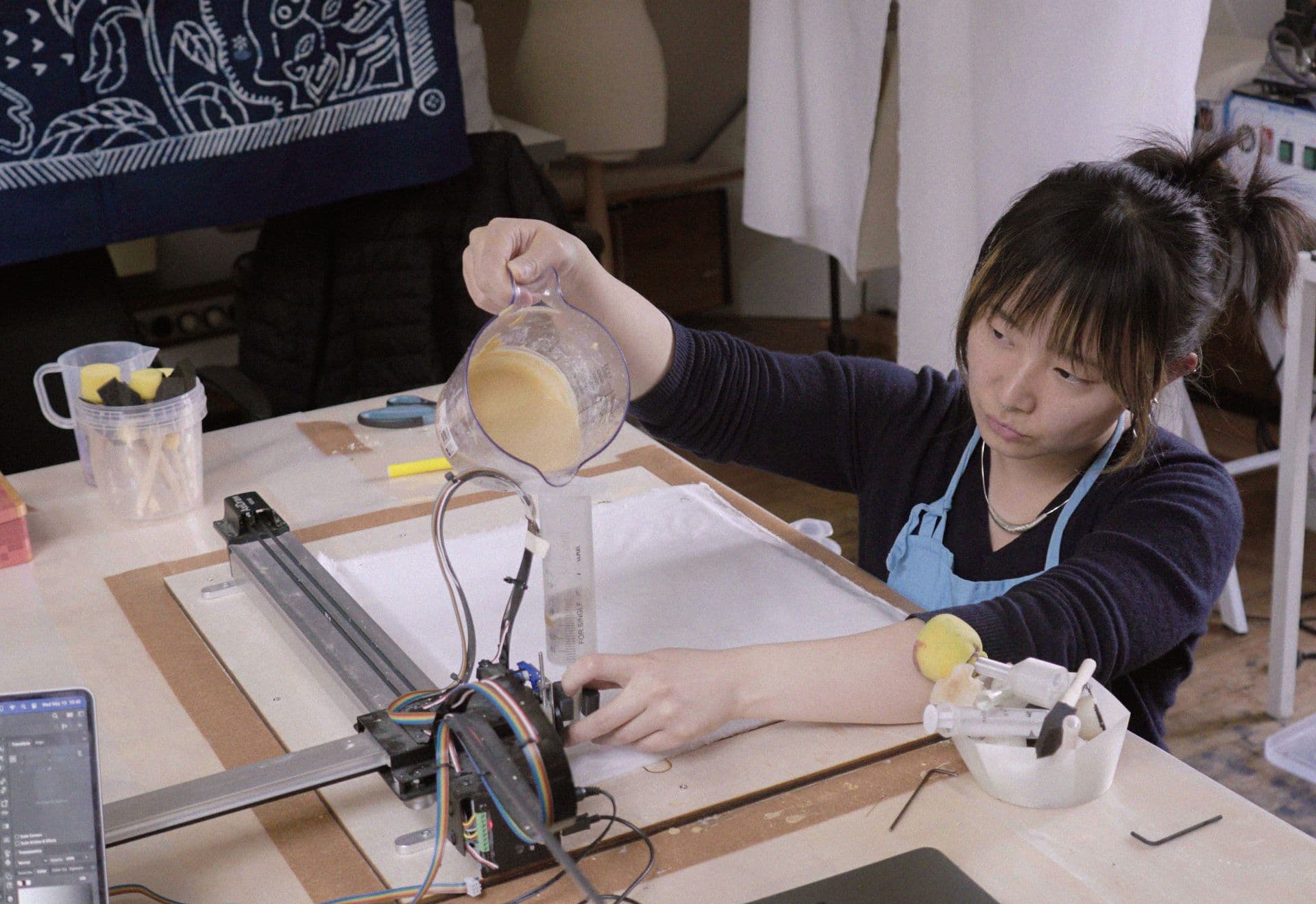
Building on these insights, and drawing from historical and local practices such as block printing, dot printing and natural dyeing, Waag’s team developed the HaptiColor machine during their pilot project Hacking the Machine. This system creates a more intuitive and sensory interaction between the craftsperson and a digitally controlled machine. It offers a possibility to bridge digitally and technologically advanced equipment with the analogue and tactile embodied knowledge of the craftsperson:
“While digitalisation in technology at first creates a gap between user & material, haptic technologies is able to address the digital world by offering a bridge back to the tangible world.”
What does this look like?
To engage with HaptiColor, craftspeople who are familiar with vector design can upload their files through an online interface. Less digitally skilled makers can begin with a library of base patterns provided by the team, which can be modified using adjustable parameters. Once activated, the small robotic arm of the machine begins printing. However, this is not a conventional machine: it has been hacked to include a brush that applies locally sourced biochrome inks and mordant pastes that respond to the signals coming from the modular sensors attached to the system that allow a craftsperson to intervene and improvise at any time.
The intention is twofold. First, using natural dyes sourced from local ecosystems reduces the environmental impact of synthetic inks used in conventional digital printing, while also reviving traditional knowledge and heritage practices around locally available materials and craft.
Second, the system restores a sense of agency and expressiveness to human–machine interaction. A modular sensor captures the craftsperson’s movements and translates them into real-time variations in the brush’s movement. This allows craftspersons to intervene directly in pre-programmed designs, adjusting the brush’s direction, pressure, and ink or paste flow to create unique outcomes.

Unlike most three-axis machines, which move only vertically and horizontally, HaptiColor incorporates a fourth axis, enabling the brush to rotate and move more freely. This restores some of the expressive potential of hand painting while retaining the precision and repetition that machines can offer. For example, the system can generate repeated geometric patterns or parallel lines, while allowing the craftsperson to adjust the stroke dynamically through embodied input.
The making of and creating with HaptiColor demonstrates what a craftsperson 2.0 bridges: the hands, the medium, the tools, the machine, and the code. See the diagram below:

Therefore, craftspersonship 2.0 describes the skillful mastery of a hybrid craft that recognises the power of both human and technological agency. This model values both the mastery of traditional craft knowledge and the creative use of technologies, acknowledging the importance of the performative act, spontaneous intervention and varying degrees of production freedom in machine processes used within the craft.
A craftsperson 2.0 is not afraid (yet is careful and mindful) of mixing traditional crafting techniques with modern technology and possesses a level of fluency in both realms. The craftsperson 2.0 is one of the few people able to incorporate technology that best suits their craft process, because of the respect and understanding it has for the crafting and process itself. This can involve everything from using 3D CAD software to design custom tools and developing electronics that translate sensory input into machine movements, to creating toolpaths in software and writing code to communicate with machines. It calls for a practitioner who is open to combining traditional craft techniques with modern technology, while remaining thoughtful and critical about how these technologies are used.This craftsperson is fluent in both realms and able to move between them with intention.
If this vision sparks your curiosity, we invite you to explore further. Visit our project website to learn more about how to become a craftsperson 2.0.
This article has drawn on the interview with Cecilia, the interview with Asli, the definition of Craftsperson 2.0 and graph made by Waag’s T4C team, and Michèlle’s article.