News
open socials
What's beyond the ban?
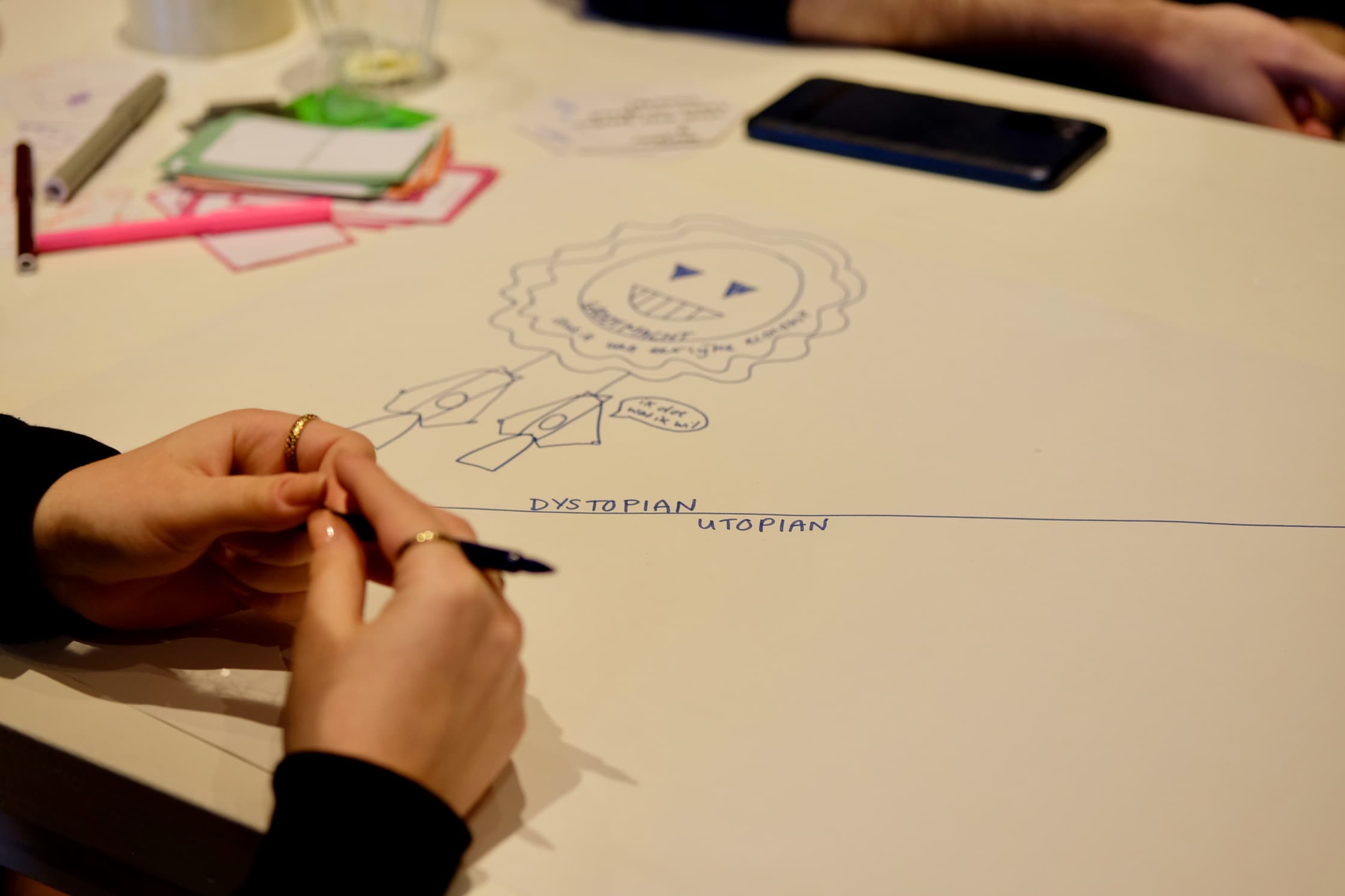
Meta censored queer and feminist organisations earlier this year. Most of these accounts are now back thanks to the effort put in. However, this doesn’t mean that everything immediately returned to normal afterward. So, where do we stand now, and what are the next steps to be taken?
regenerative technology
A month at Det Digit Art House: interview
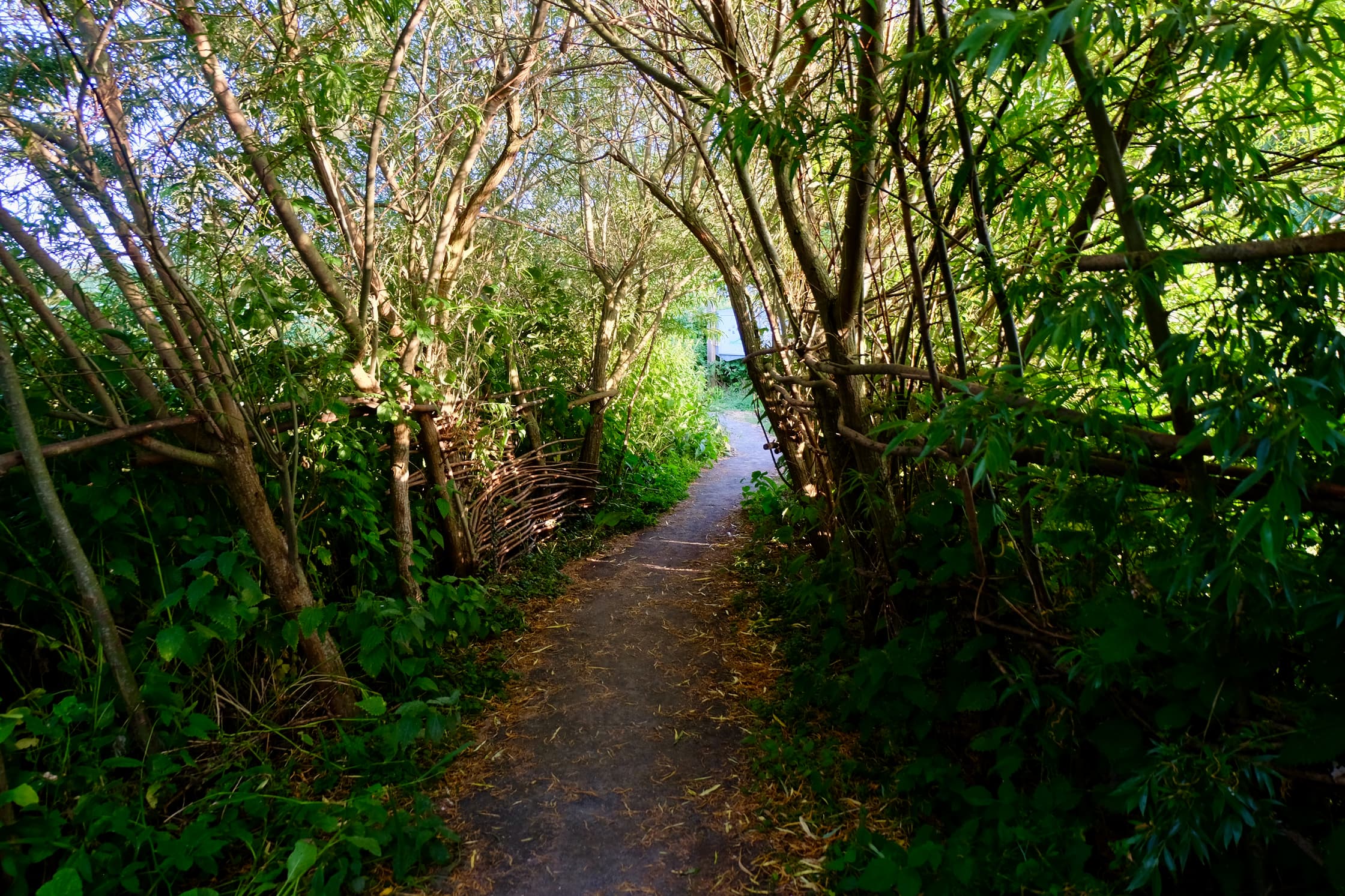
Det Digit was one of the first digital artists in the Netherlands, working from a house in the woods near Knegsel, twenty minutes from one of Europe's largest technology manufacturing regions. Her last wish was that the house become a residency. Since 2024 it has been exactly that. This summer, in a residency run by Det Digit Art House together with Waag Futurelab, two artists spent a month there.
TextileLab
Guanyan Wu explores soy resist dye at Waag TextileLab
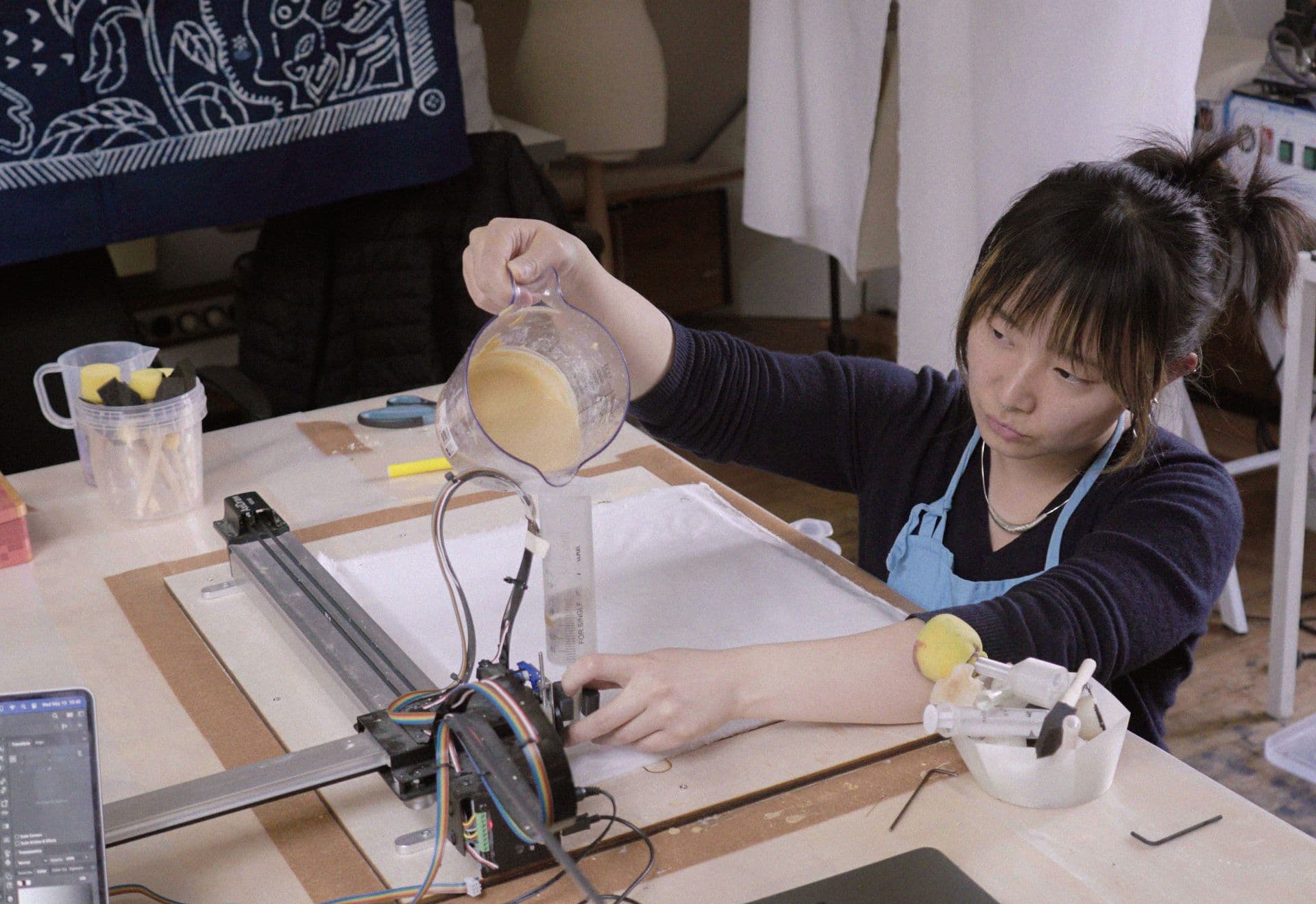
During her residency, Guanyan researched soy resist dye, a 400-year-old textile technique from Guizhou, China. Her work explored how this traditional craft knowledge can meet contemporary digital tools, opening up new ways to think about materials, technology, and craft today.
TextileLab
Cross-Crafts Conversations
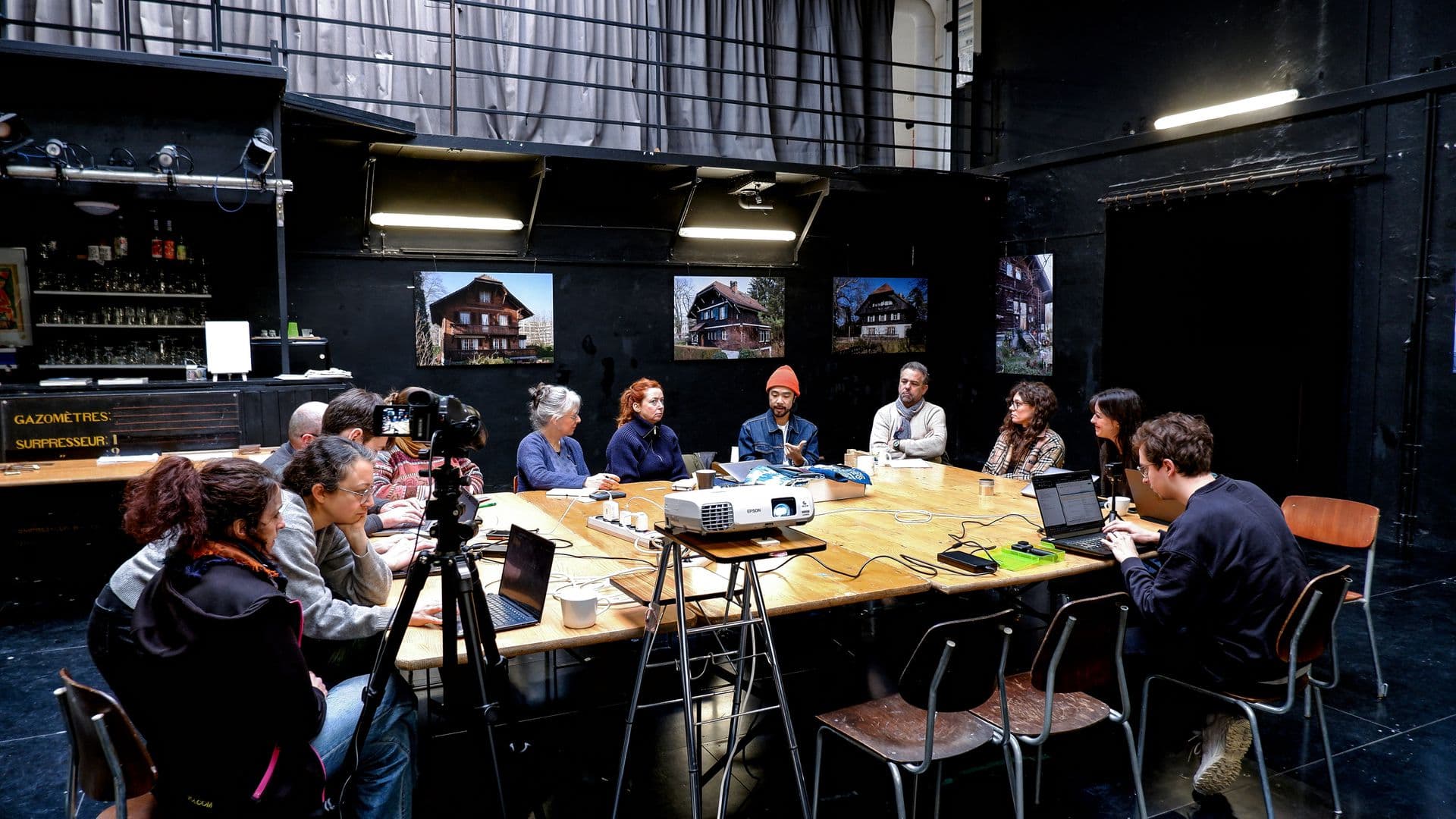
On 2-4 February, pilot partners Onl’fait, Waag Futurelab and Bokrijk in collaboration with the University of Antwerp conducted a cross-case experiment within the framework of Tracks4Crafts.
FabLab
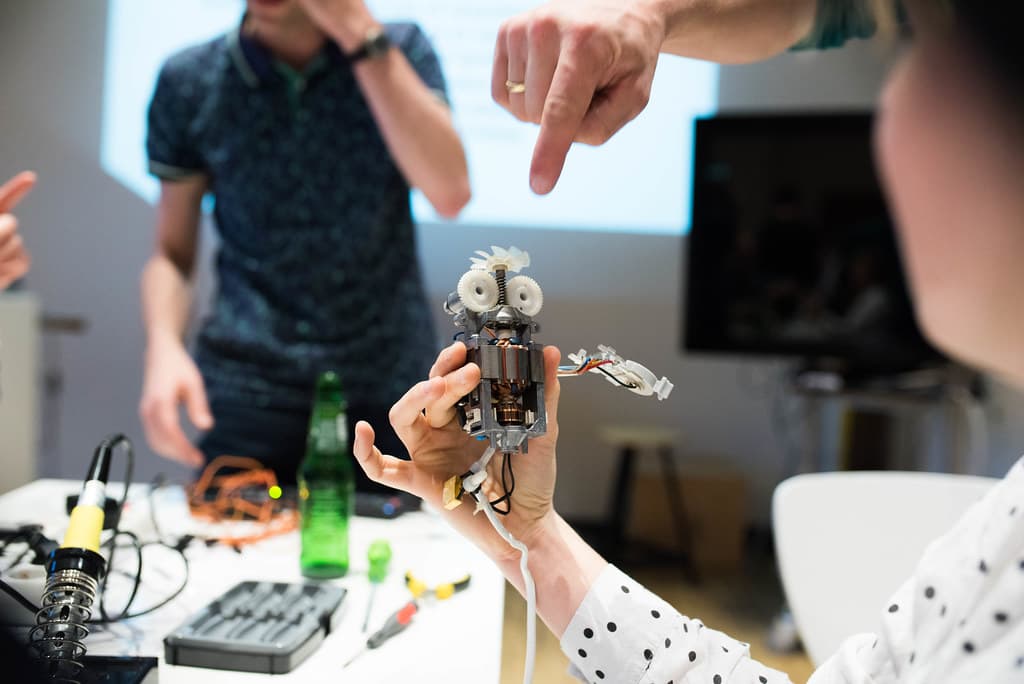
Register now for Fab Academy 2027
Learn how to make (almost) anything - in twenty weeks! That is at the core of Fab Academy, the yearly worldwide education trajectory for curious makers. Classes start on mid January 2027.
people at waag
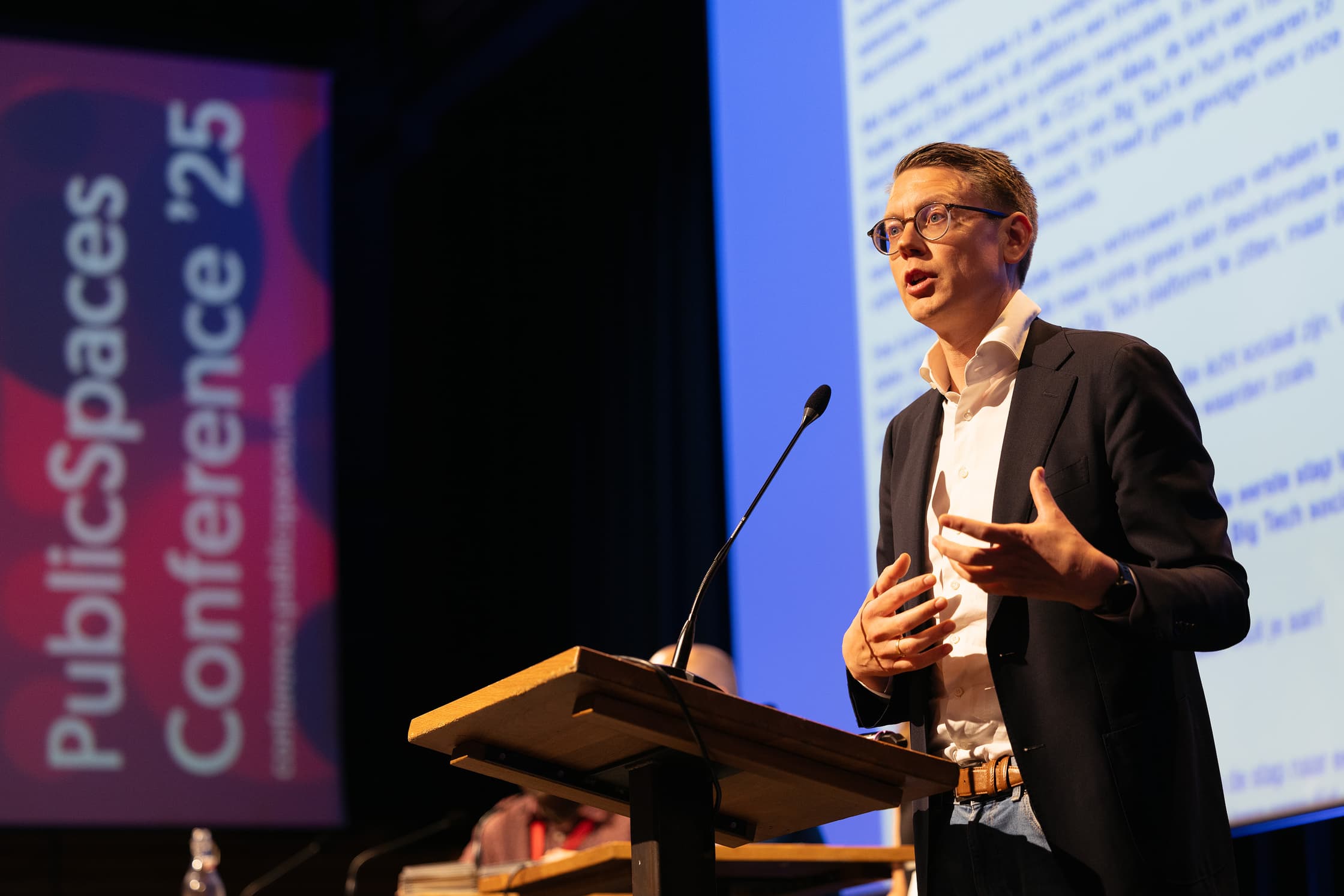
Waag appoints Sander van der Waal as Strategy Director
In his new role, Sander will develop strategic programmes that translate Waag’s research into sustainable change, build coalitions and partnerships, and develop the strategic positioning of its research agenda for the organisation and its partners.
people at waag
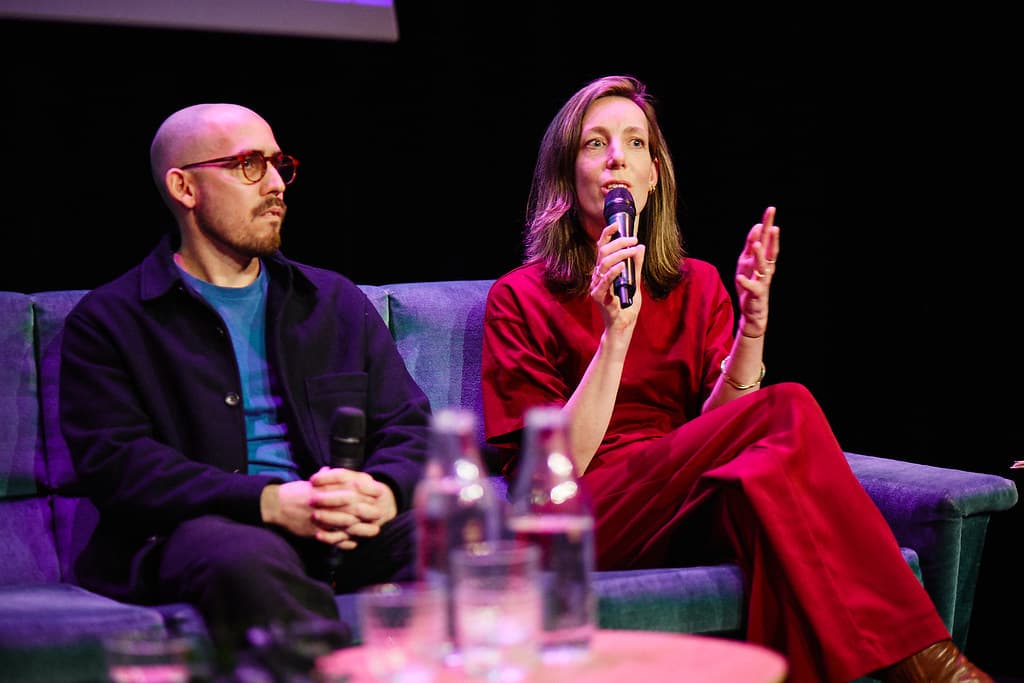
Waag appoints Judith Veenkamp as Research Director
In her new role, she brings Waag’s research together under unified leadership, ensuring greater coherence across methods and themes and a clearer collective identity for the research team.
Paradiso debate 2026
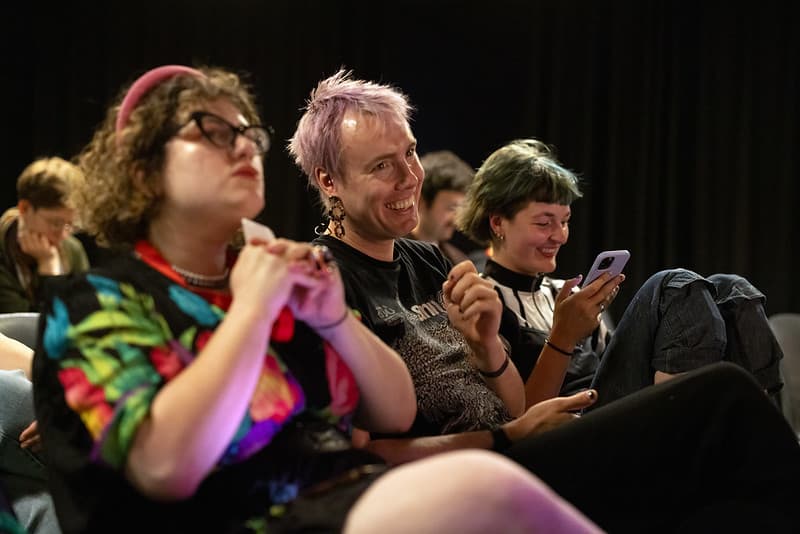
Join the discussion on art, culture and generative AI
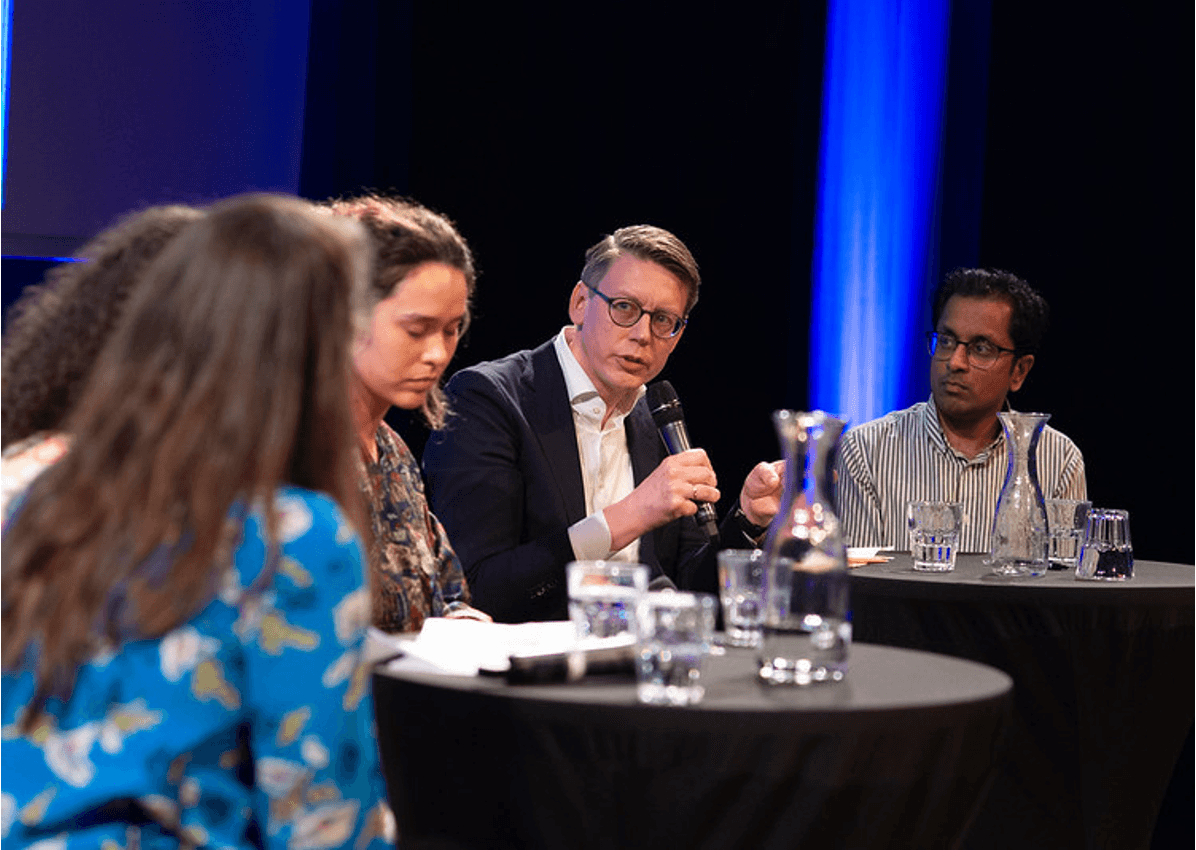
On Sunday 6 September, the annual Paradiso Debate will take place, with Waag forming part of the editorial team this year. This year’s debate focuses on generative AI: what is the power and influence of the cultural and creative sector? Led by moderator Rosalie Dielesen, creators, administrators and politicians will engage in a discussion on this topic.
regaining grip on technology
Masterclass digital power and sovereignty
During this compact, intensive masterclass on Friday 11 September, internet pioneer Bert Hubert, Waag director Marleen Stikker and Open University professor Reijer Passchier will share their insights on digital power, public values and practical steps you can take to regain control of your data, processes and choices.
TextileLab
What is a craftsperson 2.0?
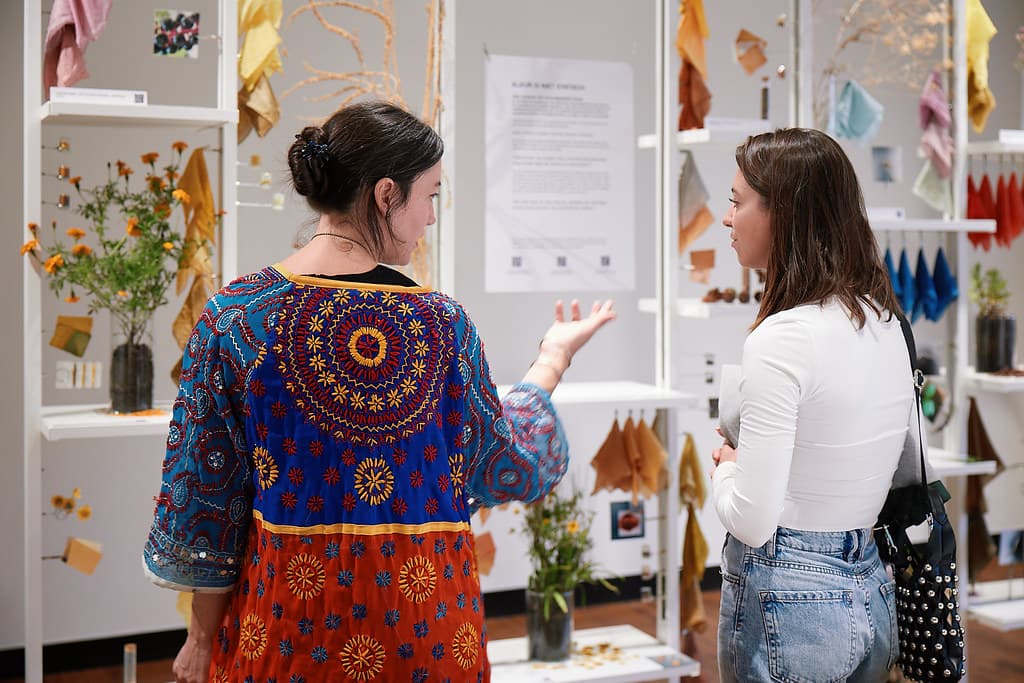
What might a craftsperson in the future, or craftership 2.0, look like? Researcher Zoénie Deng describes the skills, mindset and knowledge needed for the modern craftsperson, using insights gained from the Tracks4Crafts project.

public technology
Community vouching makes vulnerable Amsterdammers visible
As part of the Trust-based Banking project, Waag Futurelab, in collaboration with Here to Support, investigated how community vouching can enable people to open a bank account.
workshops digital autonomy
Want more control over your data? Take the first step towards digital autonomy.
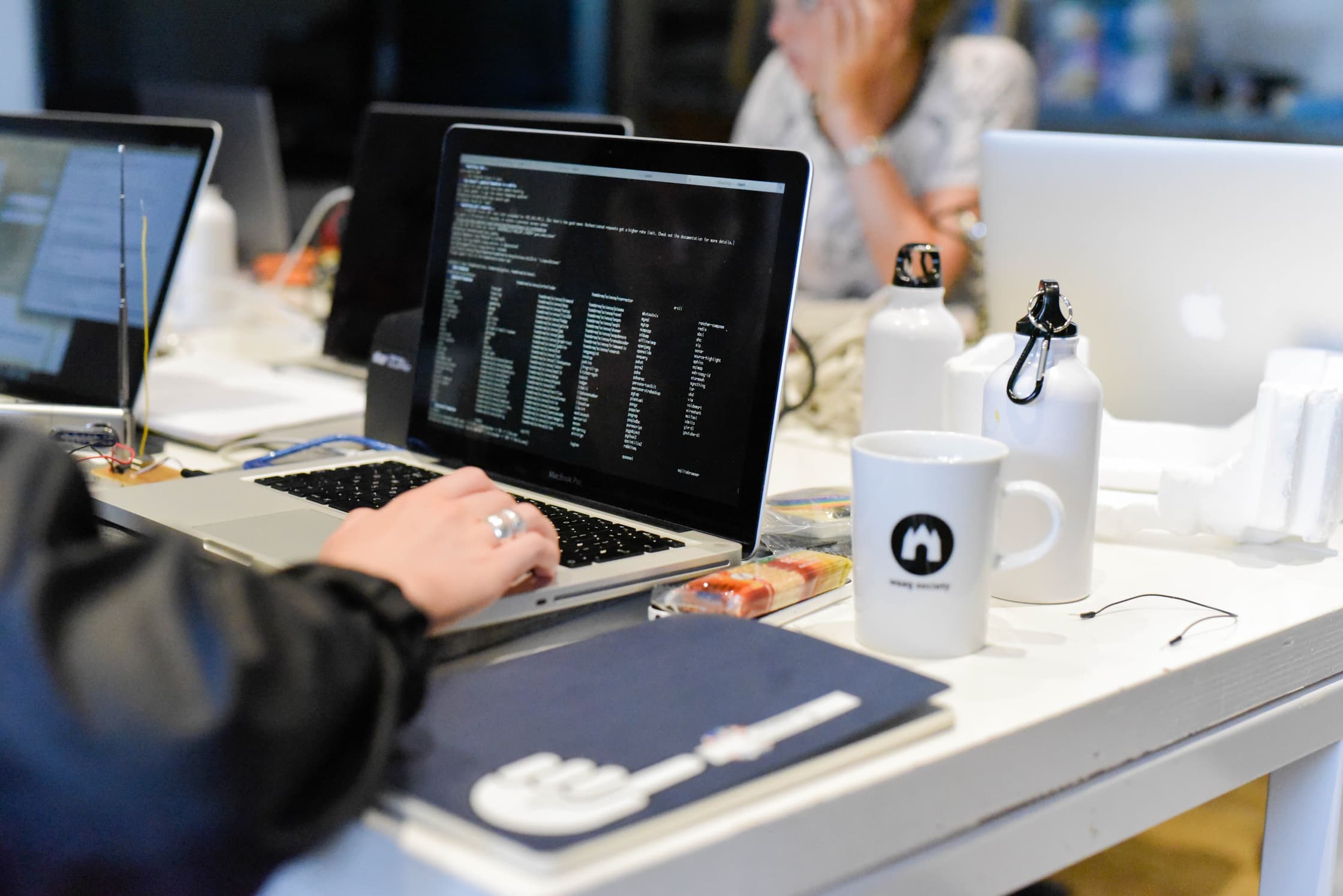
Waag Futurelab is organising three free workshops on digital autonomy, focused on data management, for civil society organisations in Amsterdam that work with sensitive data.
AI & creativity
Open Call for creative interventions: Trust me, I’m an AI/rtist
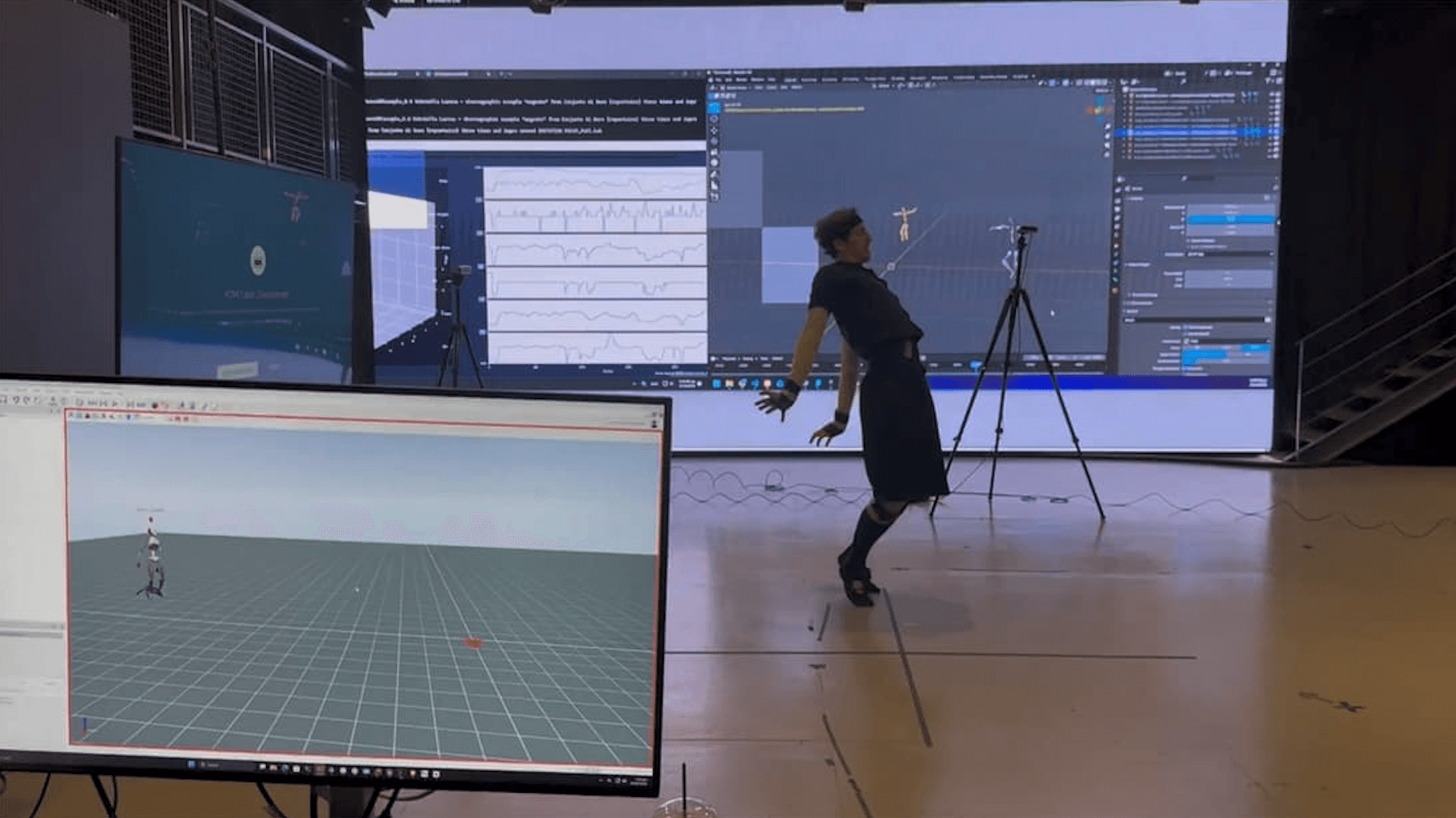
We are looking for 4 creatives or collectives who will test, play with, hack or even break specific AI Enablers that are currently being developed. Apply before 30 September, 23:59 CEST!
public technology
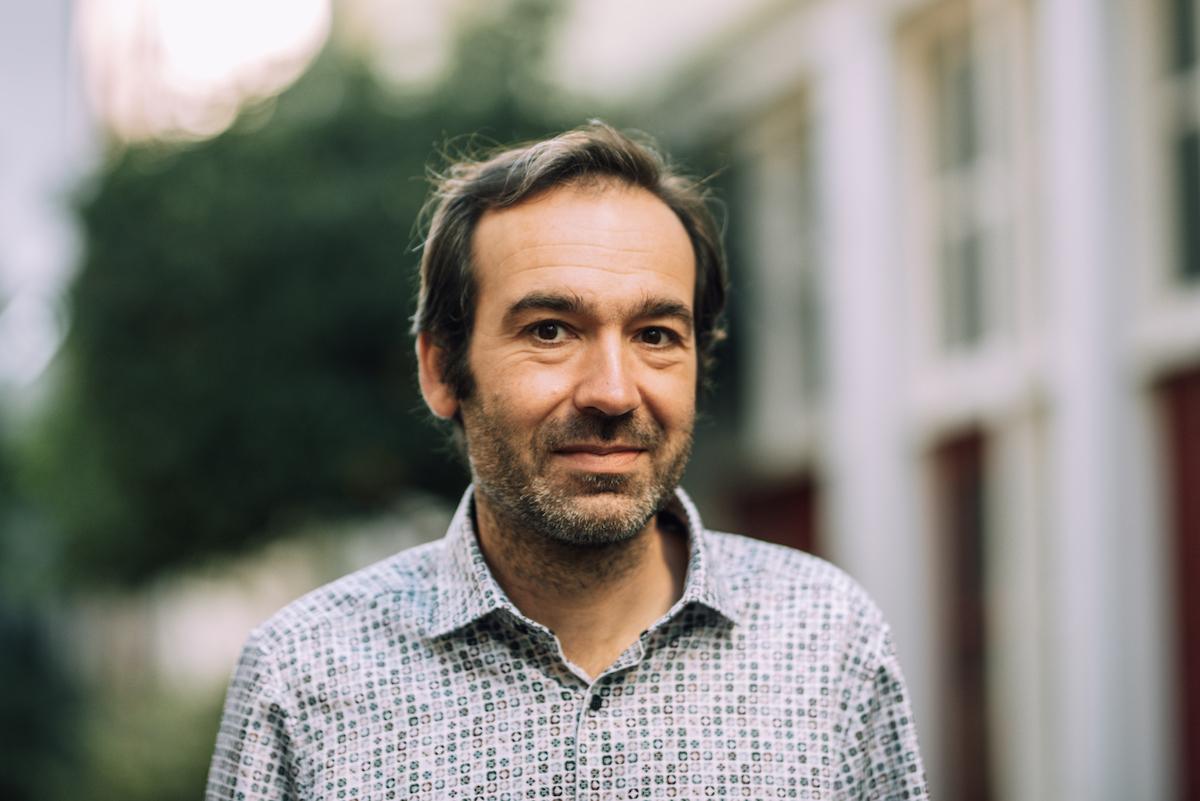
Waag’s Head of ICT on making choices for your organisation
For over 30 years, Waag has been working on open, fair and inclusive technology. Our research, our projects and our events: everything is centred around this mission. This also influences the choices you make internally as an organisation. How do you put that mission into practice?
Open Socials
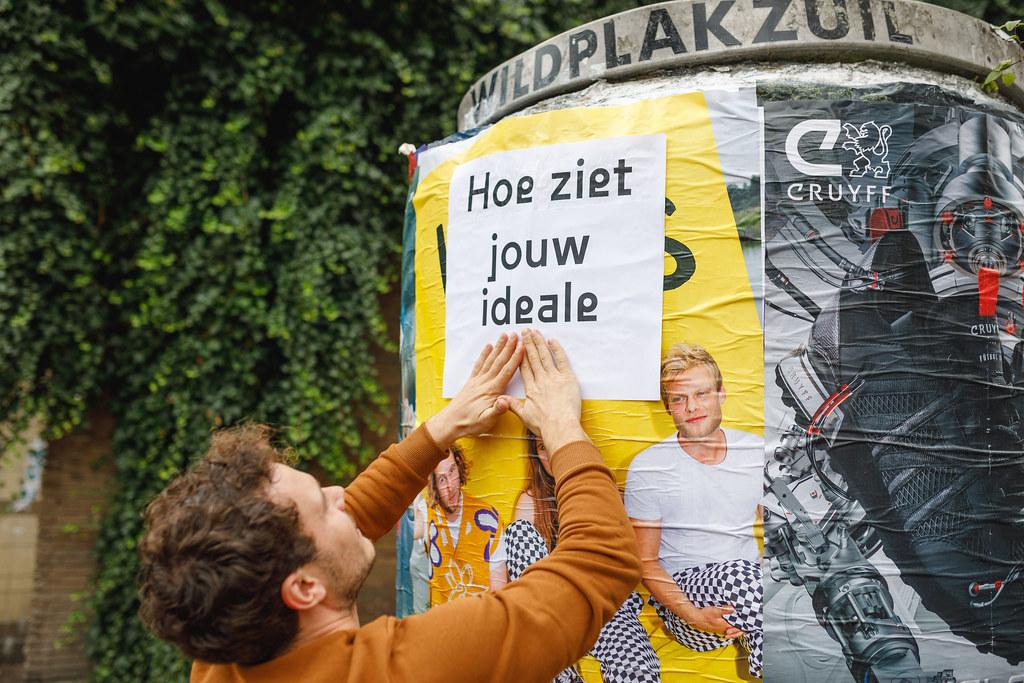
Moving from big tech to public technology with Waag's Living Lab Open Socials
Waag’s Living Lab Open Socials was launched in June 2026. Together with media organisations, we are exploring the road to an open social web. The aim is to facilitate the transition from big tech’s most widely used social media platforms (such as Instagram and TikTok) to more social, safe and ‘open’ social media platforms.
open socials
Whose land is the feed? How techno-feudalism explains Meta's censorship on queer and pro-choice
The platforms—Amazon, Google, Apple, Meta—are no longer ordinary firms competing in a market; they are fiefs. The way out is not a kinder lord; it is to stop being a tenant.
Urban Ecology Lab
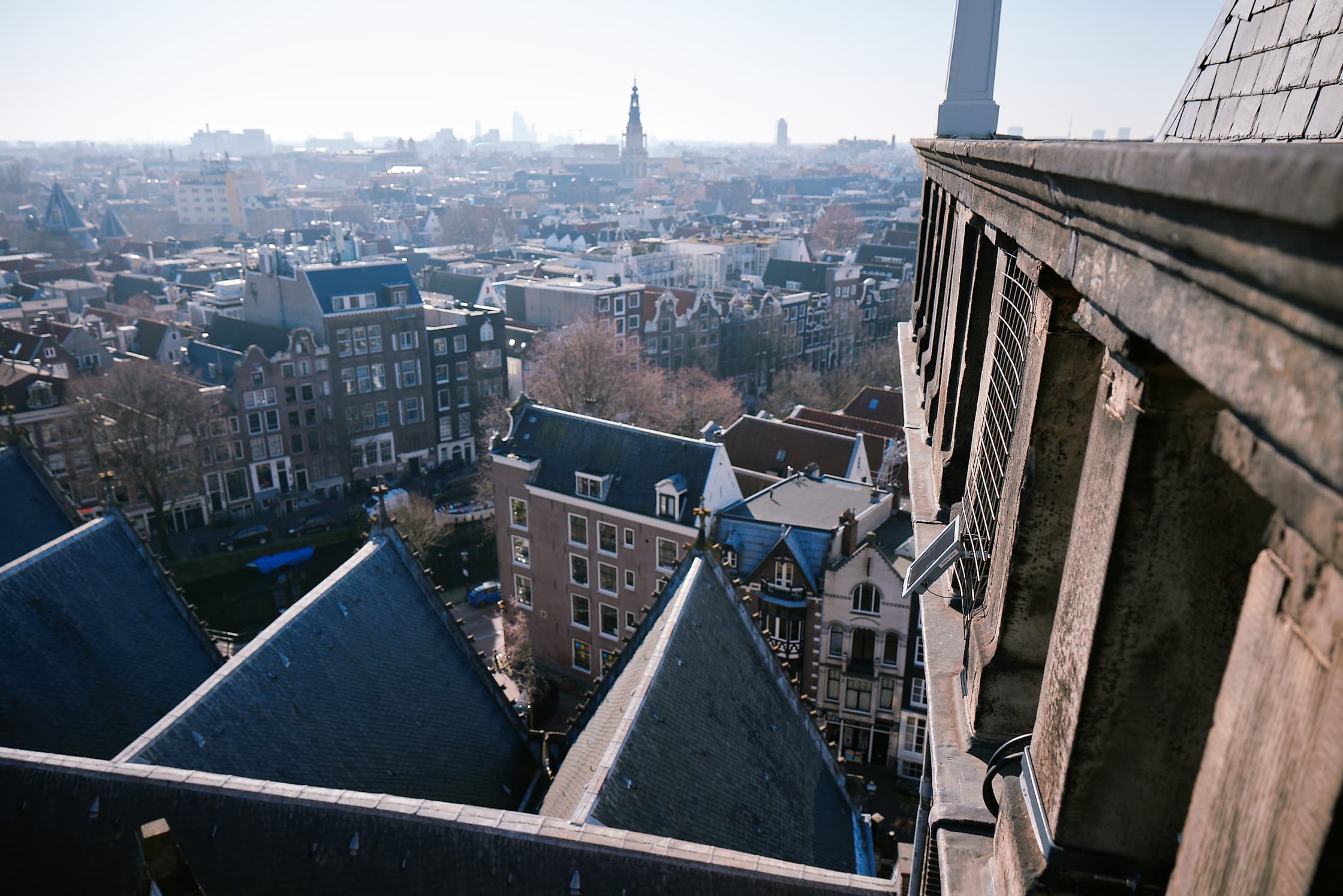
NodeNet: mesh as local emergency network?
In collaboration with the municipality of Amsterdam and a group of residents from the Nieuwmarkt neighbourhood, Waag investigated how a decentralised radio network can contribute to a resilient communications infrastructure.
workshop online presence of libraries
How would you like to experience your library online?
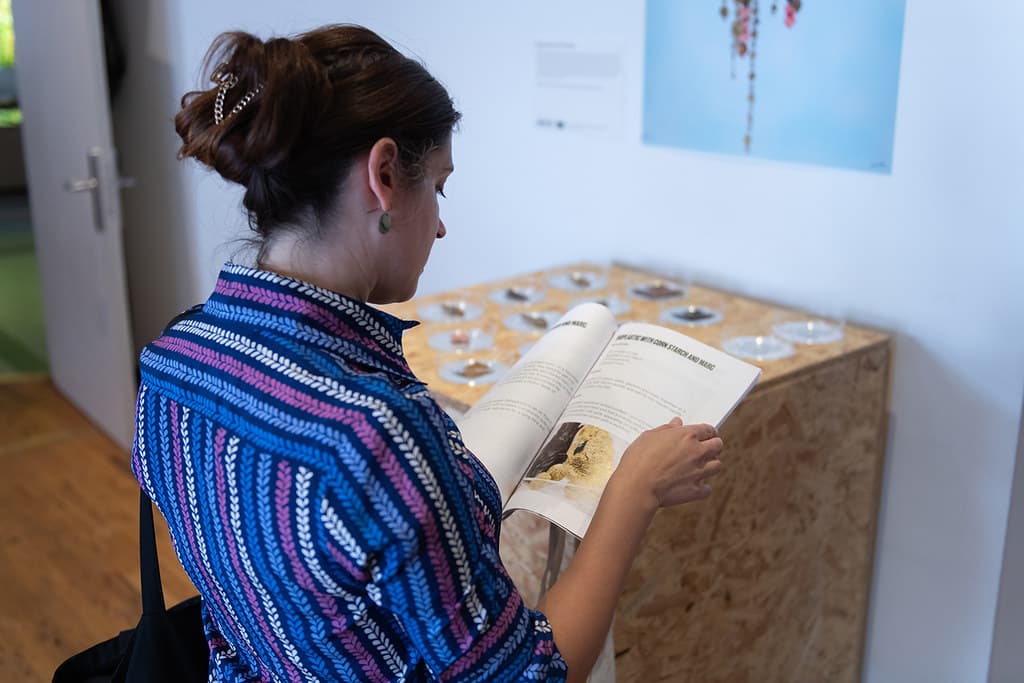
The library is more than a place for books. Join our workshop on Tuesday 21 July and share your ideas about the future of the library online! We want to explore how libraries can create meaningful online spaces for connection, knowledge sharing and exchange.
open socials
Waag is building open socials with oso.social
In autumn 2026, Waag will launch oso.social: your gateway to the open social web.
open socials
You're banned by big tech. Now what?
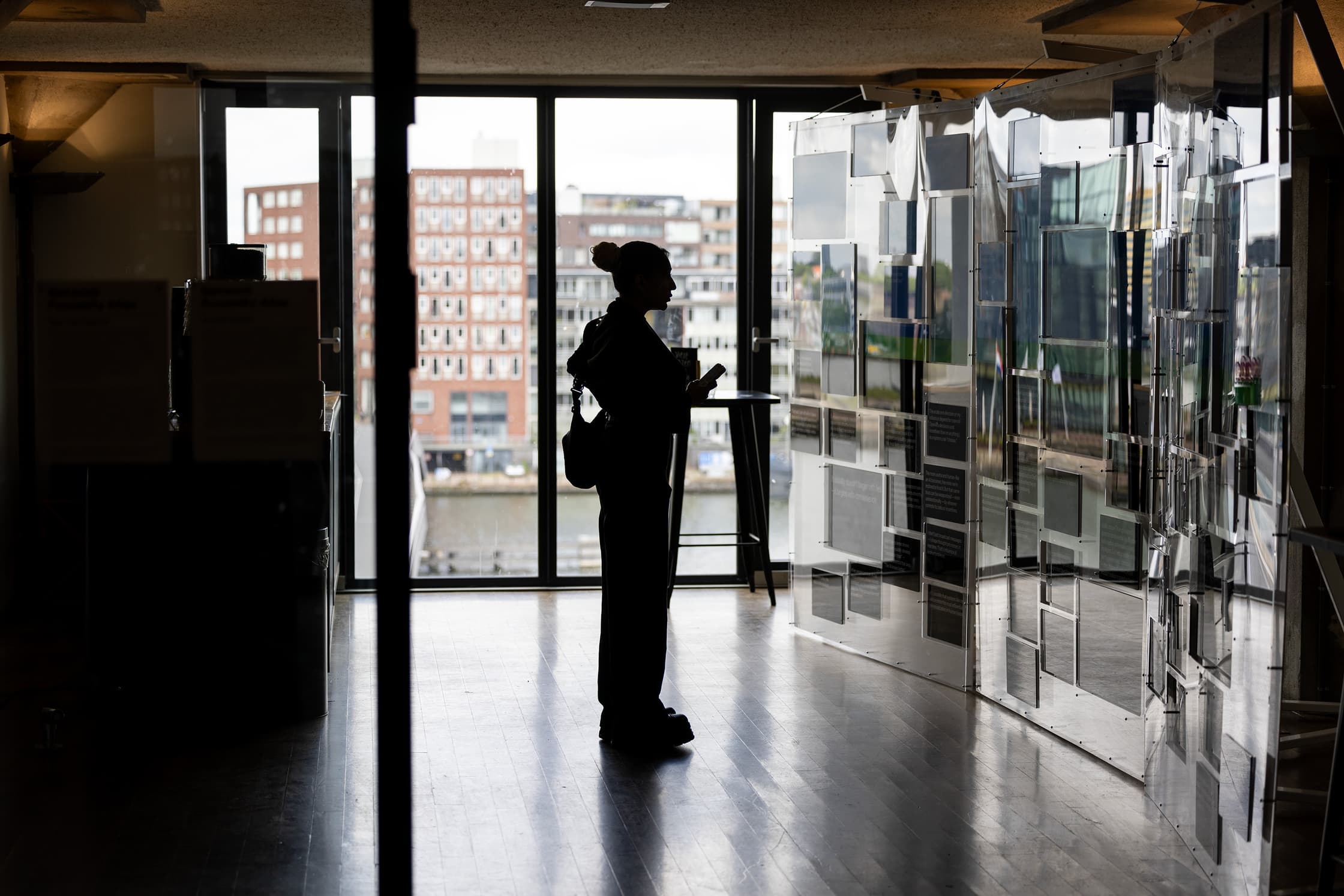
Has your social media account been banned? You’re not alone. Here are five things you can do. Or download, fold, and spread the word!
What's (More-than-)Human, Anyway?
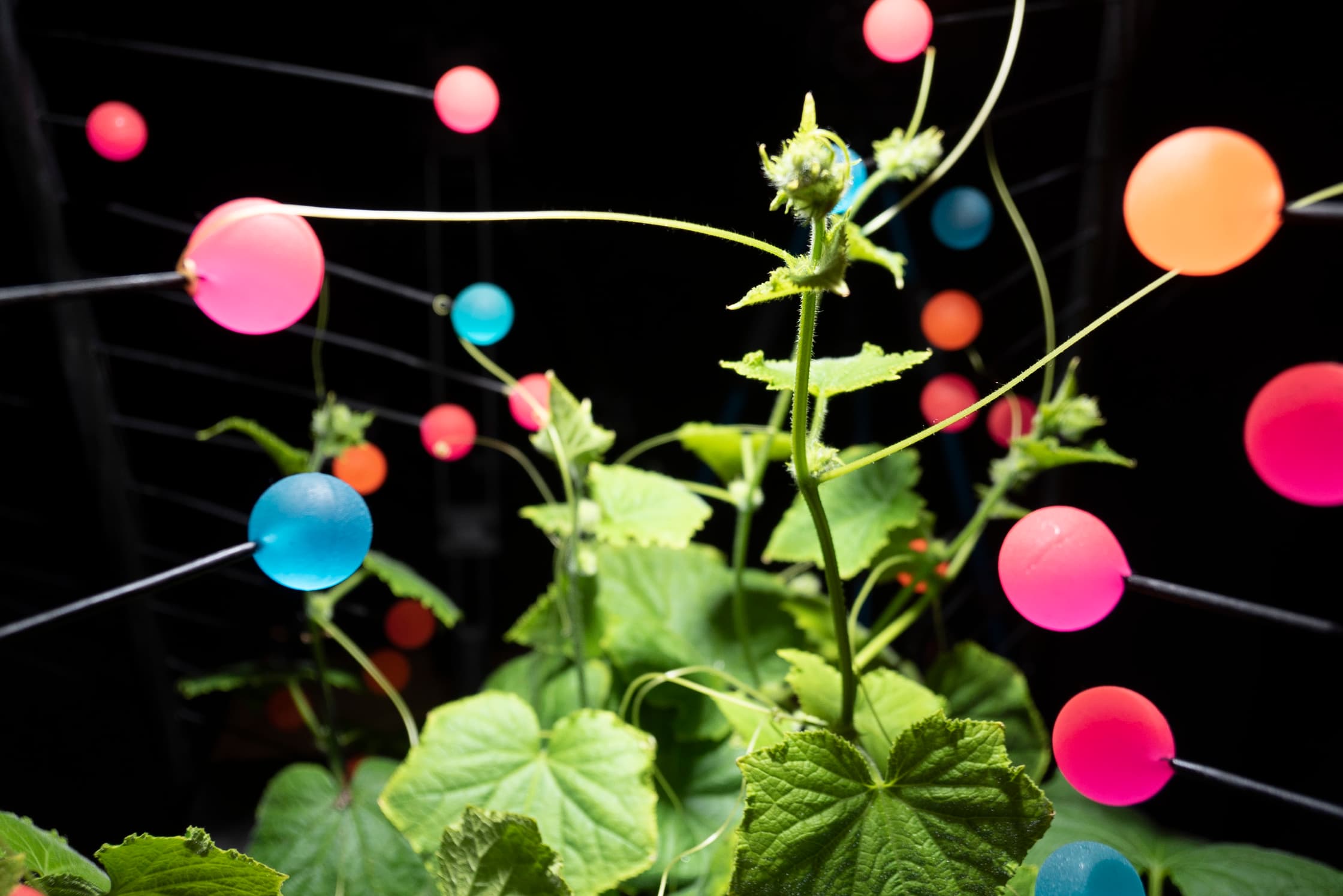
We have long told a particular story about what it means to be human: a rational, autonomous individual, separate from nature, in control of the world it designs. This figure sits at the centre of meaning, politics, and technology as the measure of all things. But this story has a problem: the world it imagines - separating nature and culture, bodies and machines, self and environment - was never real, and now increasingly so.
public technology
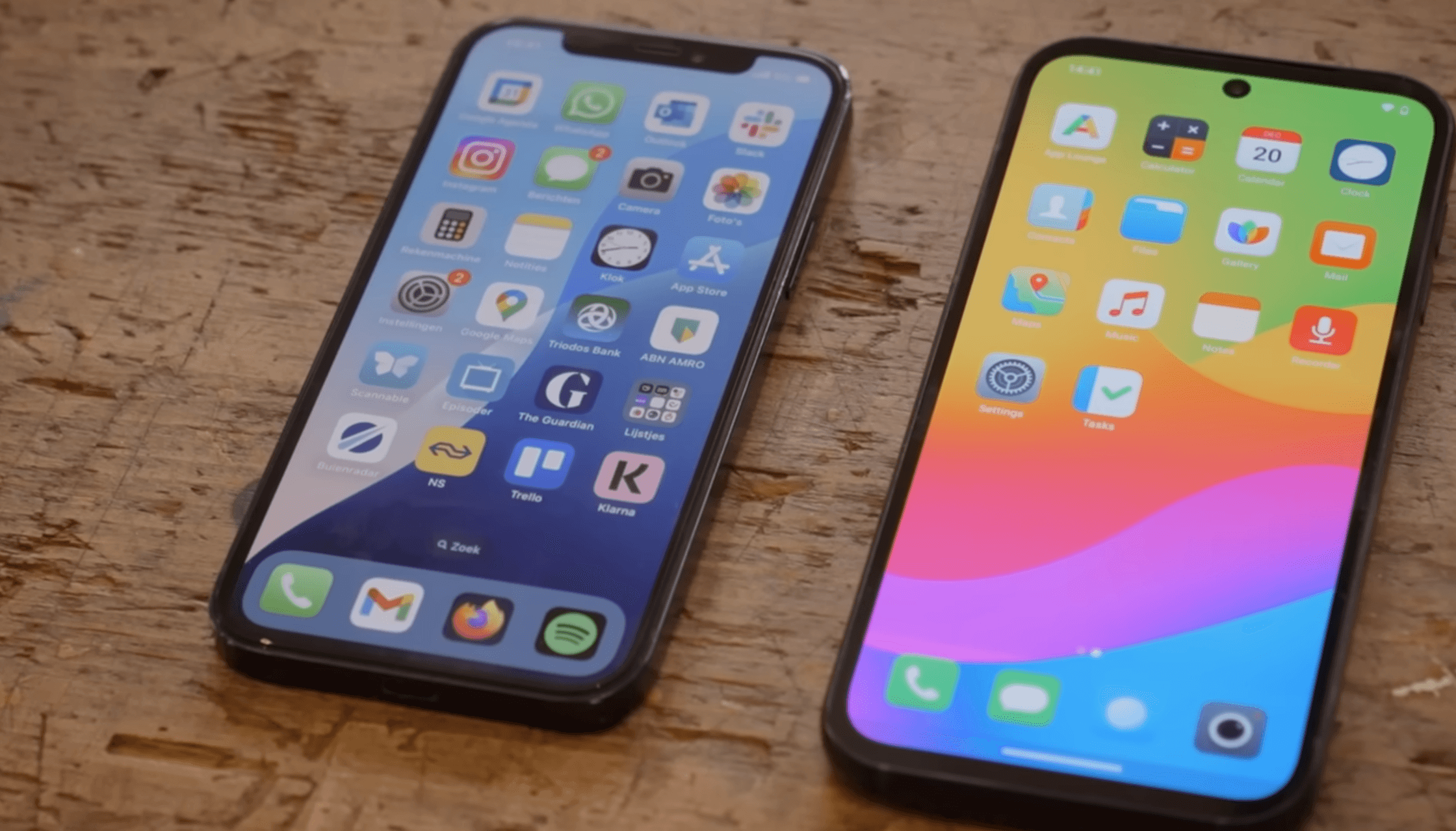
European digital ID wallets are a gift to Google and Apple
European governments are rolling out digital identity wallets, which are to be used by citizens to access services, and to verify their age online. There is a serious problem with this: these wallets rely on safety services of Google and Apple.
designing for the future
Help map AI-skills needs across Europe
The RenAIssance project is building a European collaborative network to ensure that AI reinforces our values rather than eroding them. Please complete the survey so that we can gain a better understanding of the needs in this area.
Cancelled: workshop on data and algorithmic rights
How does the municipality use algorithms? Help make this more transparent!
Algorithms affect benefits, taxes, and city services. Join our workshop to share your ideas and help improve transparency and data rights.